
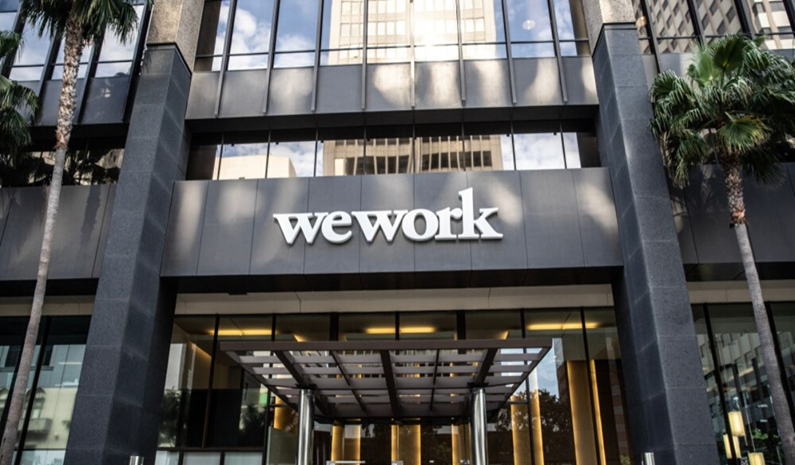
WeWork India Pros & Cons Review

WeWork India (WeWork India Management Limited) is the country’s largest premium flexible workspace operator by revenue.
Crucially, WeWork India is structurally and financially distinct from WeWork Global in the US. The Indian entity operates as a highly successful domestic powerhouse backed by the Embassy Group (which holds a majority stake) and is publicly listed on the Indian stock exchanges (NSE and BSE). As of 2026, WeWork India operates 76 premium centers across 8 major cities, managing an active portfolio of 8.6 million square feet and servicing over 110,000 members.
The Pros: Why Enterprises Choose WeWork India
1. High-End Brand Prestige and “Flight to Quality”
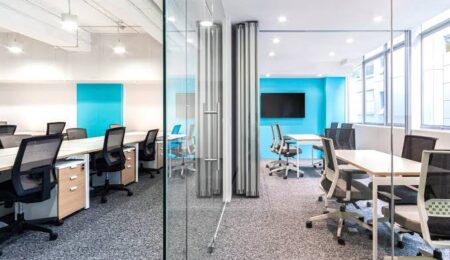
WeWork India occupies prime, Grade-A real estate in the most coveted business districts (e.g., BKC in Mumbai, Outer Ring Road in Bengaluru, Cyber City in Gurugram). The interior architecture is instantly recognizable—balancing natural light, premium modern design, and highly vibrant shared lounges. For Fortune 500 giants, tech companies, and Global Capability Centers (GCCs), moving into a WeWork carries immediate corporate brand prestige that helps attract top-tier talent.
2. Diverse “Ecosystem of Products”
Unlike providers that only offer rigid, multi-year office suites, WeWork India dominates the agile spectrum with high-tech modularity:
- Private Offices & Managed Floors: Custom-built, partitioned headquarters for large corporate teams.
- WeWork All Access: A global/national passport model allowing remote employees to plug into any WeWork center across the country.
- On-Demand: App-based hourly bookings for conference rooms or hot desks, offering unmatched financial efficiency for hybrid workforces.
3. Vibrant Community Engagement & Networking
WeWork’s secret sauce remains its community ecosystem. The company actively hosts weekly networking events, panel discussions, industry pop-ups, and wellness workshops. For growing businesses and enterprise subsidiaries, this creates a dynamic collaborative environment that standalone, sterile corporate offices cannot replicate.
4. Exceptional Operational Infrastructure & Net-Cash Stability
Following its successful public market debut, WeWork India boasts an incredibly resilient balance sheet, operating with a net-debt-negative position and a stellar credit upgrade to ICRA A+ (Stable). Because they control their capital expenditure natively out of massive internal operational cash flows, there is zero risk of center disruptions or landlord lockouts.
The Cons: The Hidden Trade-offs & Limitations
1. The Premium Pricing Bracket
WeWork India explicitly commands a top-of-market pricing structure. The monthly cost per desk carries a steep premium markup compared to localized, value-driven alternatives like Awfis or IndiQube. If your organization is primarily looking for cost-efficient square footage and basic utilities without requiring premium brand curation, lifestyle events, or luxury common lounges, you are paying for underutilized overheads.
2. High Density and Peak-Hour Friction
The layout philosophy of WeWork heavily prioritizes high-energy, collaborative, open-plan spaces. During peak shift intervals (morning log-ins, lunch hours), main check-in turnstiles, lift bays, public phone booths, and internal barista bars can feel heavily congested. Teams that require a low-distraction, highly quiet acoustic work culture may find the buzzing layout distracting.
3. Visibility vs. Absolute Corporate Isolation
While WeWork builds secure private office zones for large enterprises (which account for roughly 77% of their core client base), the macro layout is multi-tenant by design. Your employees will still mingle with freelancers, smaller startups, and external companies in the corridors, cafes, and elevators. If your firm operates under strict physical security silo rules—where external eyes cannot even glimpse your office footprint or entryway—a dedicated enterprise-only workspace provider (like Table Space) is a cleaner fit.
4. Limited Presence in Tier-2 Hubs
WeWork India’s footprint is deeply concentrated within India’s top 8 metropolitan clusters—with South India (predominantly Bengaluru and Hyderabad) anchoring a massive share of their footprint. For corporations deploying a deep “reverse migration” real estate strategy looking to place satellite tech offices in emerging tier-2 cities like Jaipur, Indore, or Kochi, WeWork’s coverage is practically non-existent compared to highly distributed regional networks.
Strategic Fit Assessment
| Metric | WeWork India | Awfis | Table Space |
| Primary Value Prop | Premium Brand Experience & Agile Product Ecosystem | Value-Driven Reach (Deep Tier-2 Footprint) | Bespoke Corporate WaaS (Absolute Privacy & Isolation) |
| Pricing Tier | Top-Tier Premium | Highly Economical | Mid-to-High Enterprise |
| Best Suited For | MNCs, GCCs, & Tech firms prioritizing talent attraction & flexibility | Distributed teams, startups, and cost-conscious branch offices | Compliance-heavy enterprises wanting zero shared common assets |
| Community Vibe | Highly Collaborative / Networking Focus | Functional / Corporate | Ultra-Private / Walled-Off |
WeWork India Last Five Year Growth
The growth trajectory of WeWork India (WeWork India Management Limited) over the past five years has been one of the most successful turnaround stories in commercial real estate.
Crucially, while its former US-based namesake filed for bankruptcy protection globally, the Indian entity—majority-owned by the Embassy Group—capitalized heavily on India’s post-pandemic office rebound and the Global Capability Center (GCC) boom. This operational excellence culminated in a ₹3,000 crore public listing (IPO) on the NSE and BSE.
1. Physical Footprint and Member Capacity
WeWork India focused on consolidating its presence in Grade-A buildings across primary micro-markets rather than chasing raw center volume.
- Portfolio Expansion: Over five years, the live portfolio grew from approximately 4 million square feet to 8.6 million square feet of leasable area.
- Operational Reach: The company scaled to 76 premium centers across 8 major cities (predominantly anchored by tech hubs like Bengaluru, Mumbai, and Delhi-NCR).
- Capacity and Member Growth: Desk capacity increased to over 126,900 operational seats, accommodating a thriving ecosystem of 100,000+ active members.
2. Financial Performance: Turning Net Profitable
Financially, the company successfully crossed the chasm from rapid, cash-burning scale to a high-margin compounding engine.
- Explosive Top-Line Revenue: Revenue from operations grew from ₹661.4 crore to a record-breaking ₹2,477.4 crore, demonstrating a 30.3% 5-Year Revenue CAGR.
- Transition to Profitability: After reporting consistent accounting net losses due to heavy depreciation and expansion costs (e.g., a net loss of ₹144.5 crore), WeWork India turned net profitable, reporting a Net Profit (PAT) of ₹179 crore, a 133% year-on-year surge from the prior fiscal cycle.
- Industry-Leading EBITDA: Operating EBITDA scaled past ₹1,622 crore, maintaining an exceptional EBITDA margin profile of 65.3%, driven by disciplined pricing power and high seat utilization.
- Debt-Free Milestone: Optimization of capital structures allowed WeWork India to turn net debt-negative for the first time (-₹11.7 crore), earning them a dual-notch corporate credit rating upgrade to ICRA A+ (Stable).
3. The Structural Growth Pillars
- Enterprise Flight to Quality: While originally designed for freelancers and early-stage startups, WeWork India successfully pivoted its layout model. Enterprise corporate clients now contribute roughly 77% of core rental revenue, bringing high contractual stickiness and longer weighted average lease tenures (~28 months).
- High Customer Stickiness: The business model proved incredibly robust, demonstrating an ~80% customer renewal rate alongside over 50% repeat desk sales from expanding corporate tenants.
- The “All-Access” & On-Demand Dynamic: To monetize open lounge spaces without expanding physical real estate footprints, WeWork India scaled its digital pass ecosystem. Corporate hybrid teams utilizing app-based “All Access” passports or booking shared meeting rooms by the hour created a high-margin auxiliary revenue stream.
- The Blockbuster IPO Catalyst: The successful public listing in late 2025 unlocked immense liquidity. Because the IPO was structured as a clean Offer for Sale (OFS), it established clear market capitalization (valuing the firm over ₹6,600+ crore) and unlocked the balance sheet flexibility needed to drive forward expansions into secondary tier-1 corridors through internal cash generation.
The Verdict
WeWork India is an ideal match for global enterprises, well-funded scaling companies, and GCCs that view the physical workplace as a critical tool for talent retention, brand imaging, and hybrid flexibility.
However, if your business requires deep geographical penetration into smaller tier-2 Indian cities, operates on a highly conservative cost-per-seat budget, or demands absolute physical and structural isolation away from multi-tenant foot traffic, alternative models will align better with your long-term roadmap.

Lindsey Tarry is a passionate real estate blogger, journalist, and content creator dedicated to breaking down the complexities of the property market. From deep-dive market trends and breaking industry news to practical advice for buyers and sellers, Lindsey crafts engaging stories and articles that keep readers informed and ahead of the curve. When she isn’t writing, she is keeping a close eye on the latest architectural and market shifts.

Leave a Comment