
How to Choose the Right Managed Office Space in India: 12-Point Checklist
The Indian office market has evolved dramatically in the last decade. With the rise of flexible workspaces, managed offices (also called managed workspaces or built-to-suit flex spaces) have become the preferred choice for growing companies that want plug-and-play offices without the headaches of traditional leasing and fit-outs.
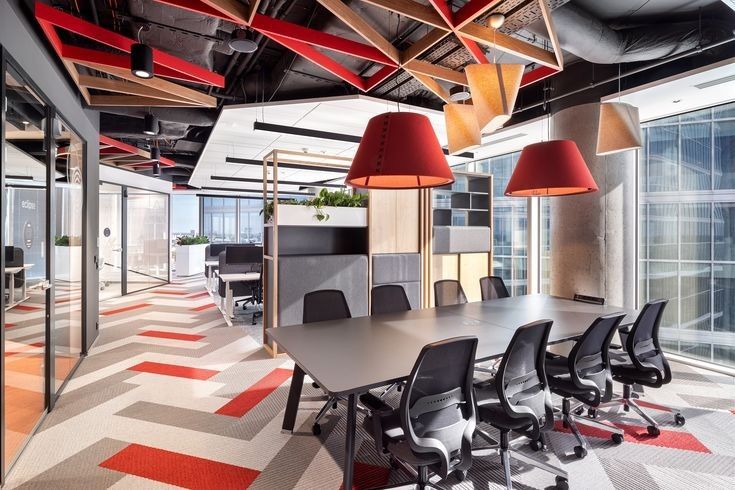
A managed office gives you a fully furnished, ready-to-move-in private office customised to your brand, managed end-to-end by the operator, yet with the flexibility of coworking contracts.
Here’s a practical 12-point checklist to help you pick the right managed office space in India in 2025–2026.
1. Location & Micro-Market Analysis
- Prioritise proximity to your talent pool and clients.
- Top managed office micro-markets (2025): – Bangalore: Koramangala, Indiranagar, Bellandur–Marathahalli ORR, Whitefield – Mumbai: BKC, Andheri East, Lower Parel, Navi Mumbai (Airoli, Vashi) – Delhi-NCR: Cyber City, Golf Course Extension Road, Udyog Vihar, Noida Expressway – Hyderabad: HITEC City, Gachibowli, Financial District – Pune: Kharadi, Hinjewadi Phase 3, Baner–Balewadi – Chennai: OMR, Guindy–Taramani
- Check last-mile connectivity (metro within 1 km is a game-changer in 2025).
2. Operator Track Record & Financial Health
- Prefer operators with 5+ years in managed office business and 5 lakh+ sq ft under management.
- Top credible managed office providers (as of 2025): – Table Space, SimpliWork, COWRKS Enterprise, BHIVE Enterprise, 91springboard Managed, One Internet (Skootr), IndiQube Enterprise, Awfis Enterprise Solutions, WeWork Enterprise (still active in select cities), Sproutbox (by CoffeeBeans).
- Ask for client references from the last 12–18 months.
3. Lease Flexibility & Lock-in Period
- Ideal lock-in: 3–6 months (avoid anything above 11 months unless heavily discounted).
- Exit clause: Should allow termination with 2–3 months’ notice after lock-in.
- Ability to expand or contract space by 20–30% without shifting floors.
4. Per-Seat Pricing Transparency
- Always compare on a fully loaded per-seat cost (rent + maintenance + utilities + internet + housekeeping + pantry).
- 2025 indicative per-seat ranges (fully loaded): – Bangalore & Hyderabad: ₹9,000–₹16,000 – Mumbai: ₹12,000–₹22,000 – Delhi-NCR: ₹10,000–₹18,000 – Pune & Chennai: ₹8,000–₹14,000
- Watch out for hidden charges (electricity billed at ₹12–18/unit instead of state tariff).
5. Customisation & Branding Rights
- Insist on 100% branding (logo on glass films, reception wall, pantry, etc.).
- Ability to change wall colours, carpet, ceiling design, and furniture layout.
- Timeline for customisation: 45–75 days is standard; anything above 90 days is a red flag.
6. IT & Internet Infrastructure
- Minimum 1:1 dedicated leased line (100 Mbps primary + 100 Mbps backup).
- Enterprise-grade firewall and Wi-Fi 6 access points.
- Ask for SLA of 99.5% uptime and latency reports of the last 6 months.
7. Power Backup & Sustainability
- 100% power backup with N+1 redundancy.
- DG rate should not exceed state electricity board tariff + ₹2–3.
- Prefer buildings with IGBC Gold/Platinum or LEED certification (mandatory for many MNCs).
8. Amenities & Employee Experience
Must-have: – In-house F&B or tie-up with Cloud kitchens – Gym / gaming zone / creche (especially in Bangalore & Gurgaon) – EV charging stations – Doctor-on-call & wellness room – Terrace / breakout areas usable in evenings
9. Security & Access Control
- 24×7 biometric + facial recognition + mobile app access.
- CCTV retention of minimum 90 days.
- Separate visitor management system with photo capture and OTP.
10. Compliance & Documentation
- Operator must provide: – Occupancy Certificate (OC) – Fire NOC – BSEI (Building Safety & Electrical Installation) certificate – GST invoice capability on rent
- Prefer single lease agreement instead of dual (license + service).
11. Community & Networking Value
- Some operators (COWRKS, Table Space, BHIVE) organise strong community events — useful for startups.
- Larger enterprises may prefer quieter, private environments (SimpliWork, Skootr).
12. Exit Readiness & Restoration Clause
- Restoration charges should be capped at 1 month’s license fee (many operators quietly demand 3–6 months).
- Dilapidation timeline: Maximum 30 days post exit.
Quick Decision Framework (Score out of 100)
Assign weights as per your priority:
| Criteria | Weight | Score (1–10) | Weighted |
|---|---|---|---|
| Location | 20% | ||
| Pricing Transparency | 18% | ||
| Operator Credibility | 15% | ||
| Flexibility & Exit Terms | 12% | ||
| Customisation Capability | 10% | ||
| IT & Power Reliability | 10% | ||
| Amenities & Wellness | 8% | ||
| Compliance | 7% | ||
| Total | 100% |
Anything scoring >80 is excellent; 70–80 is workable with negotiation; below 65 — walk away.
Final Pro Tip
Visit at least three shortlisted spaces on a weekday between 3–6 pm (peak usage time) unannounced if possible. Employee happiness in the existing offices is the best predictor of your future experience.
Choosing the right managed office in India is no longer just about cost or location — it’s about finding a partner who grows with you. Use this checklist, negotiate hard, and you’ll end up with a workplace that attracts and retains top talent in 2025 and beyond.
Leave a Comment