
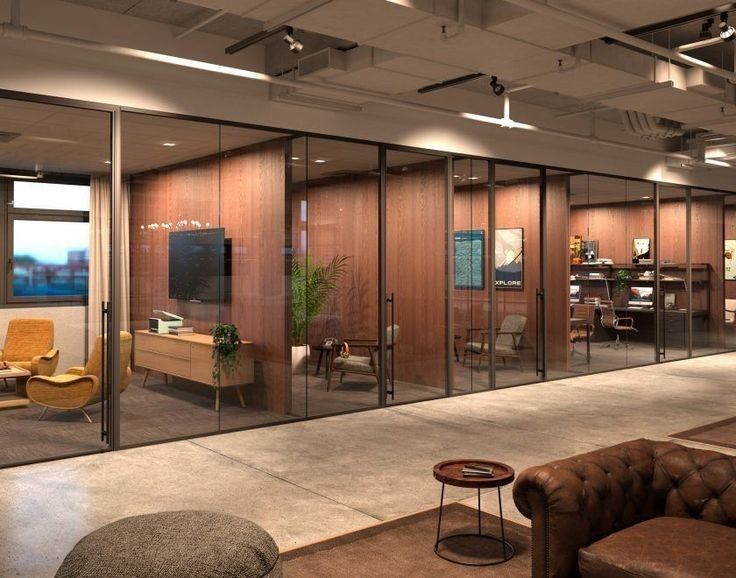
Cost of Managed Office Space in India: City-wise Pricing 2026
Introduction
India’s commercial real estate sector, particularly the managed office space market, continues to thrive amid a post-pandemic resurgence and the rapid expansion of Global Capability Centers (GCCs). Managed office spaces—encompassing fully serviced, flexible coworking environments and premium leased offices with amenities like high-speed internet, maintenance, and collaborative facilities—have become the go-to choice for startups, SMEs, and multinational corporations. As of 2025, the sector has seen record leasing volumes exceeding 90 million square feet across top cities, driven by sectors such as IT/ITeS, BFSI, and engineering.
Looking ahead to 2026, demand for Grade-A office space is projected to remain robust, with an estimated 70-90 million square feet of absorption in major markets. This growth is fueled by hybrid work models, sustainability mandates, and a shift toward flexible workspaces, which now account for nearly 12-15% of total office stock and are expected to surpass 100 million square feet nationwide by year-end. Rental rates have risen steadily—averaging 6-7% year-on-year in 2025—due to constrained supply in prime locations and high occupier interest.
Pricing for managed spaces is typically quoted per seat (for flexible/coworking setups) or per square foot per month (for traditional managed leases). Per-seat costs include utilities and amenities, making them 20-30% more affordable than fully fitted traditional offices. Based on 2025 data from reports by Anarock, Cushman & Wakefield, and Colliers, we’ve forecasted 2026 prices assuming a conservative 5-8% escalation, aligned with market trends like new supply additions in Bengaluru (13 million sq ft) and Hyderabad (9 million sq ft). Below, we break down city-wise insights for Delhi, Mumbai, Bangalore, Hyderabad, Pune, Chennai, Gurgaon, Noida, and Kolkata.
City-wise Pricing Overview
Managed office costs vary significantly by location, with Tier-1 metros like Mumbai and Delhi commanding premiums due to infrastructure and talent density. Emerging hubs like Hyderabad offer value-for-money options. The table below summarizes estimated 2026 pricing:
| City | Per Seat/Month (Flexible/Managed, INR) | Per Sq Ft/Month (Lease, INR) | Key Drivers & Forecast Notes |
|---|---|---|---|
| Delhi | 12,000 – 14,000 | 100 – 120 | 18% YoY rise in 2025; 6% growth expected in 2026 due to BFSI demand. |
| Mumbai | 16,500 – 18,500 | 170 – 190 | 28% hike since 2022; tight supply to push 7% up in 2026. |
| Bangalore | 10,500 – 12,500 | 100 – 115 | Tech hub with 16% growth; 13M sq ft new supply to moderate rises to 5%. |
| Hyderabad | 9,000 – 11,000 | 75 – 85 | 24% surge; cost edge (25% below metros) sustains 8% YoY increase. |
| Pune | 9,500 – 11,500 | 85 – 95 | Moderate 11% growth; IT/manufacturing boom to add 6% in 2026. |
| Chennai | 8,500 – 10,500 | 75 – 85 | Stable 9% rise; 10-12% GCC expansion to drive moderate uplift. |
| Gurgaon | 11,000 – 13,000 | 105 – 125 | Part of Delhi-NCR; 20% regional hike; infrastructure boosts 7%. |
| Noida | 9,500 – 11,500 | 80 – 100 | Affordable NCR extension; 5-6% growth with metro expansions. |
| Kolkata | 8,000 – 10,000 | 70 – 85 | Emerging market; 60% YoY leasing growth to yield 5% rental rise. |
*Notes: Per-seat pricing assumes a 70 sq ft density for conversions; ranges reflect prime vs. suburban locations. Forecasts based on 2025 baselines from Anarock and Cushman & Wakefield, adjusted for projected supply-demand dynamics.
Detailed City Breakdown
Delhi
As the political and corporate nerve center, Delhi’s managed office market benefits from proximity to government hubs and a diverse talent pool. In 2025, average flexi-space rentals hit ₹11,800 per seat, up 18% from 2020, driven by BFSI and consulting firms. Prime areas like Connaught Place command ₹120/sq ft, while suburban spots offer value at ₹100. For 2026, expect a 6% uptick as new completions lag demand, with hybrid models favoring managed setups. Popular providers: WeWork and Innov8, with spaces in Aerocity starting at ₹12,000/seat.
Mumbai
India’s financial powerhouse, Mumbai Metropolitan Region (MMR) tops the expense charts with 2025 rents at ₹168/sq ft in Bandra-Kurla Complex (BKC)—a 28% jump since 2022. Per-seat costs average ₹15,900, reflecting high BFSI leasing (48% of activity). Limited new supply (just 0.1M sq ft in H1 2025) will sustain premiums, forecasting 7% growth in 2026. Lower Bandra options dip to ₹16,500/seat, ideal for GCCs. Key players: Awfis and Smartworks in BKC.
Bangalore
The Silicon Valley of India absorbed 18.2M sq ft in H1 2025, with CBD rents at ₹146/sq ft and averages at ₹95. Flexi seats cost ₹10,000-₹12,000, up 16% since 2022, fueled by tech giants like Goldman Sachs. Despite robust supply forecasts (13M sq ft in 2026), quality flight will nudge rates 5% higher. Whitefield and ORR remain hotspots for managed spaces at ₹10,500/seat. Providers like BHive and WeWork dominate.
Hyderabad
Hyderabad’s 24% rental surge to ₹72/sq ft in 2025 underscores its appeal as a cost-effective tech hub, 25% cheaper than Bengaluru. Per-seat pricing hovers at ₹9,000-₹11,000 in HITEC City, attracting 60% of new GCCs with low attrition talent. With 9M sq ft supply slated for 2026, expect 8% escalation amid pharma and IT growth. Gachibowli offers entry-level managed options at ₹9,000/seat via Innov8.
Pune
Pune’s balanced ecosystem saw 11% rental growth to ₹90/sq ft in 2025, with Hinjewadi and Kharadi leading IT demand. Flexi seats average ₹9,500-₹11,500, bolstered by 3.5M sq ft GCC leasing. Moderate supply will cap 2026 rises at 6%, making it ideal for mid-size firms. Magarpatta City spaces start at ₹9,500/seat with providers like 91springboard.
Chennai
Chennai’s steady 9% hike to ₹84/sq ft in 2025 reflects IT and auto sector resilience, with OMR rents at ₹55-₹85. Per-seat costs range ₹8,500-₹10,500, supported by 3.2M sq ft absorption. GCC expansion (10-12% YoY) forecasts a 5-6% rise in 2026, enhanced by metro upgrades. Guindy hubs via Qdesq offer value at ₹8,500/seat.
Gurgaon
Gurgaon’s integration into Delhi-NCR drives 20% regional growth, with 2025 rents at ₹110/sq ft in Cyber City. Flexi seats cost ₹11,000-₹13,000, up 19% since 2020, amid BFSI influx. Infrastructure like the Dwarka Expressway will fuel 7% 2026 increases. Premium managed spaces opposite Sahara Mall start at ₹11,000/seat.
Noida
As NCR’s affordable arm, Noida’s Sector 62 rents dipped to ₹80-₹100/sq ft in 2025, with per-seat at ₹9,500-₹11,500. Jewar Airport proximity boosts logistics demand, projecting 5-6% growth. Off Mahatma Gandhi Flyover, options via The Office Providers begin at ₹9,500/seat.
Kolkata
Kolkata’s 60% YoY leasing surge in H1 2025 lifted rents to ₹70-₹85/sq ft, with flexi seats at ₹8,000-₹10,000. Emerging as a BFSI alternative, it eyes 5% escalation in 2026 with better connectivity. Salt Lake Sector V spaces via Awfis start at ₹8,000/seat.
Trends and Outlook for 2026
India’s managed office market is poised for evolution in 2026, with flexible spaces doubling to 100M sq ft and sustainability features becoming standard. GCCs will drive 26M sq ft of demand, while Tier-2 cities gain traction for cost savings. Challenges like rising construction costs may temper supply, keeping rentals firm at 5-8% growth. Businesses should prioritize locations with green certifications and hybrid amenities to optimize costs—potentially saving 15-20% via flexi models.
For tailored advice, consult providers like Smartworks or WeWork. As India cements its role in global business, 2026 promises a dynamic, occupier-friendly landscape.


Leave a Comment