
Top 10 grade a buildings in mumbai

When looking at Grade A commercial developments in Mumbai, the focus shifts to world-class infrastructure, high-efficiency floor plates, top-tier sustainability certifications (like LEED Platinum), and massive institutional tenants. The market is primarily centered in the Bandra-Kurla Complex (BKC) and the Central Mumbai/Lower Parel stretch.
The top 10 premier Grade A commercial buildings in Mumbai stand out for design, occupancy, and prestige:
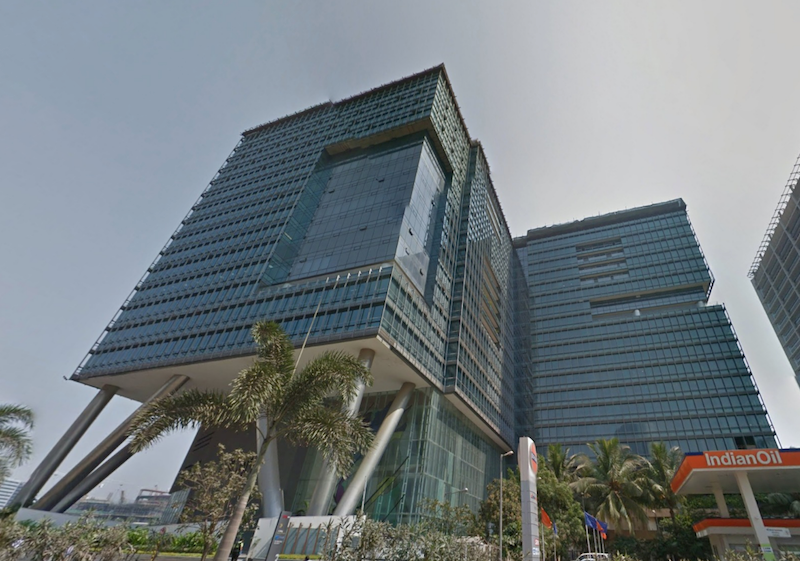
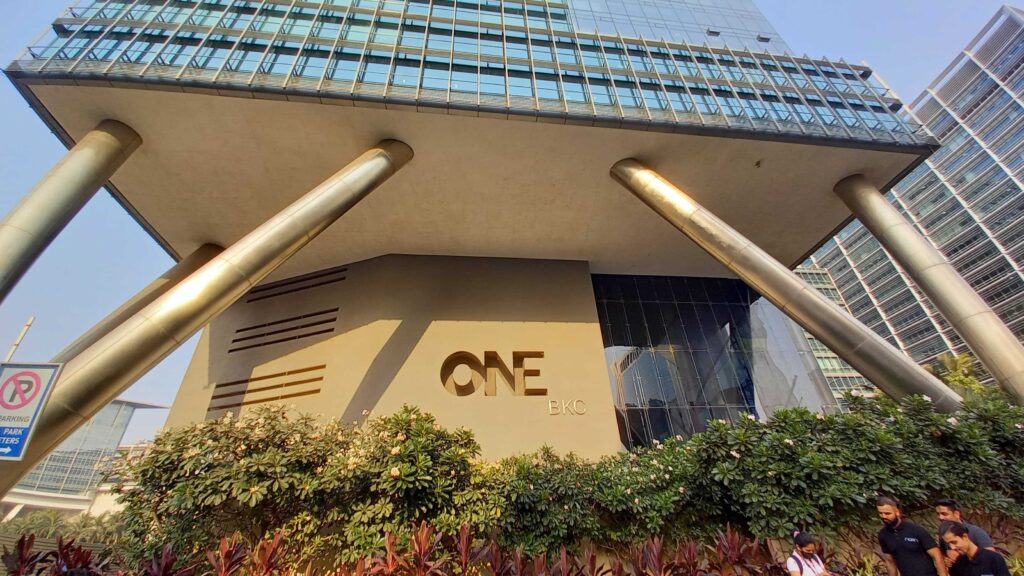
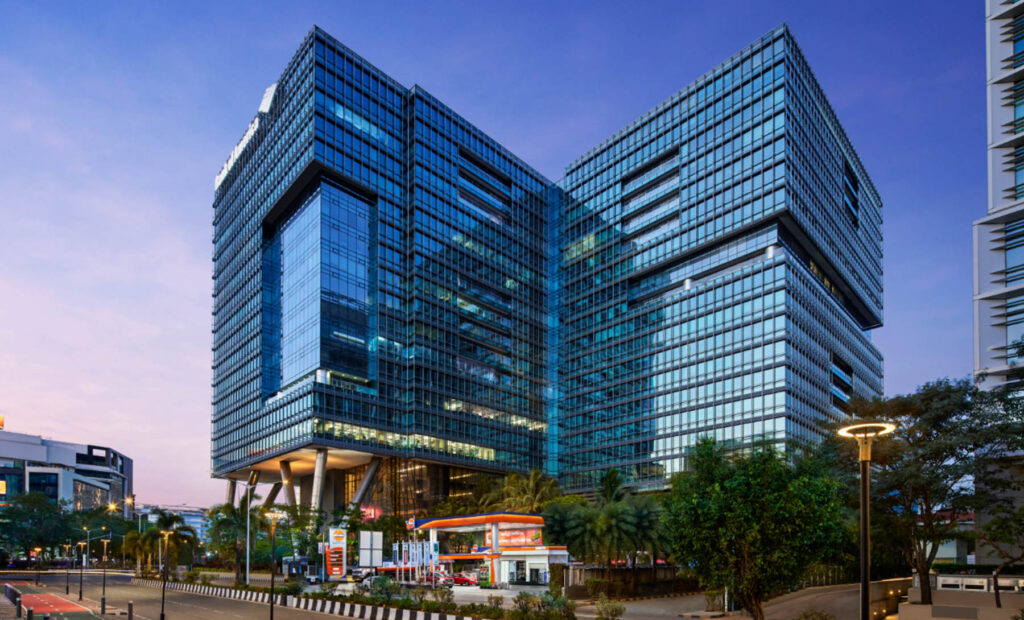
1. One BKC (Bandra Kurla Complex)
- Developer: Radius Developers
- Key Tenants: Bank of America, Cisco, Amazon, Facebook
- Why it stands out: Widely considered a gold standard corporate address in the city. It features cutting-edge automated parking systems, premium retail/F&B on the ground floors, and massive floor plates optimized for tech and banking multinational corporations (MNCs).
2. Maker Maxity (Bandra Kurla Complex)
- Developer: Maker Group
- Key Tenants: High-profile investment banks, global consultancies, luxury retail
- Why it stands out: One of the earliest premium multi-block developments in BKC that established the area as India’s premier Central Business District (CBD). It shares its massive drive-in ecosystem with the Jio World Drive, offering an upscale work-play balance.
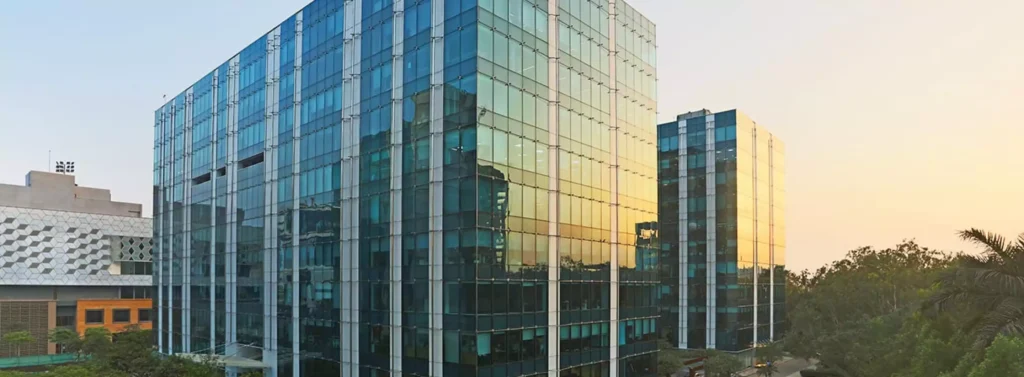
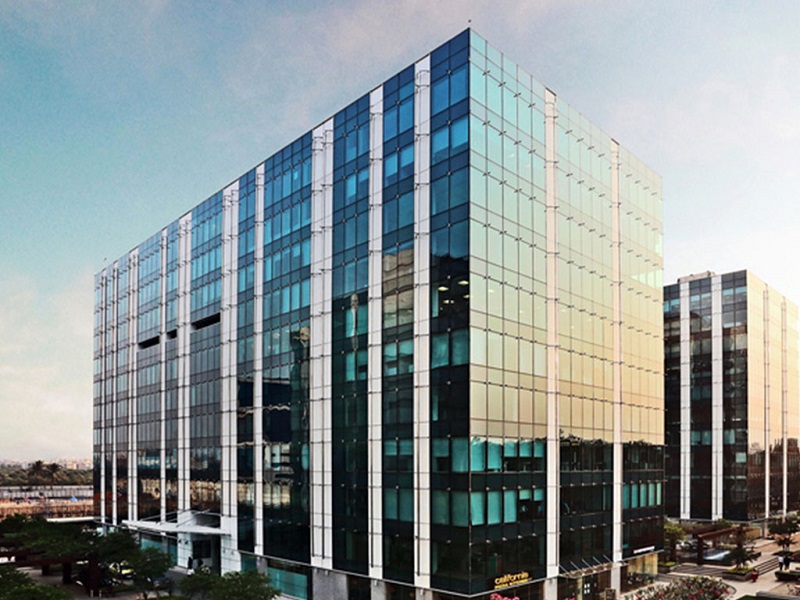
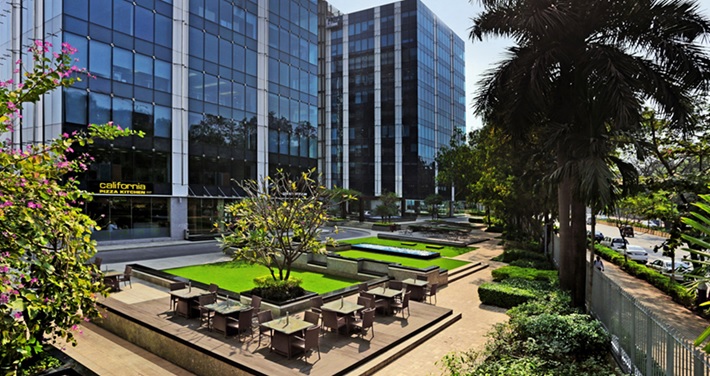
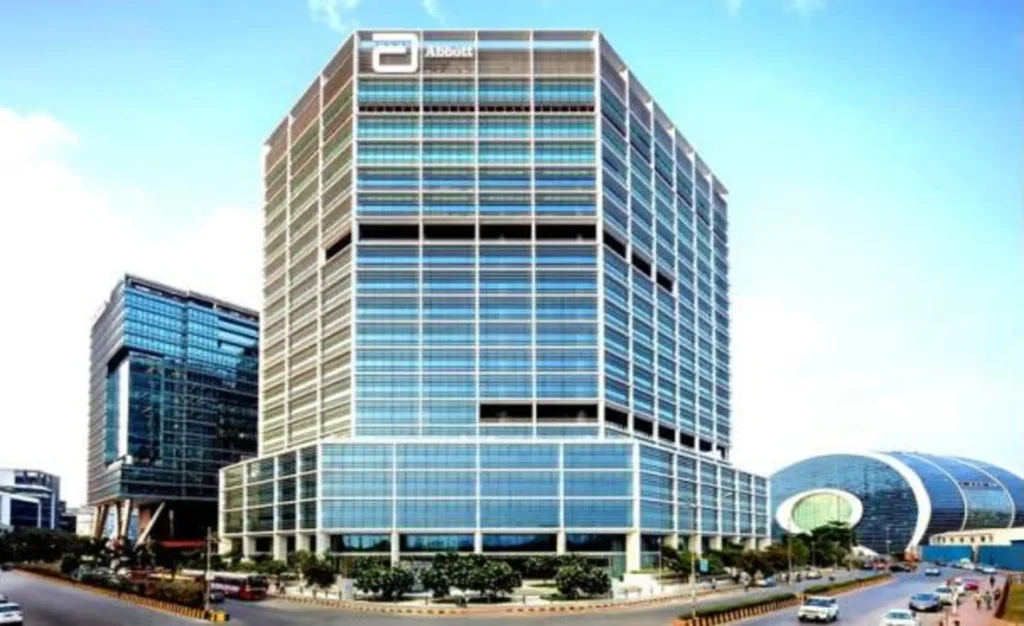
3. Godrej BKC (Bandra Kurla Complex)
- Developer: Godrej Properties
- Key Tenants: Abbott India, Pfizer, private equity firms
- Why it stands out: A stunning glass-facade landmark that holds a LEED Platinum certification. It is celebrated for its highly efficient energy and water management, natural lighting, and ultra-modern executive lounges.

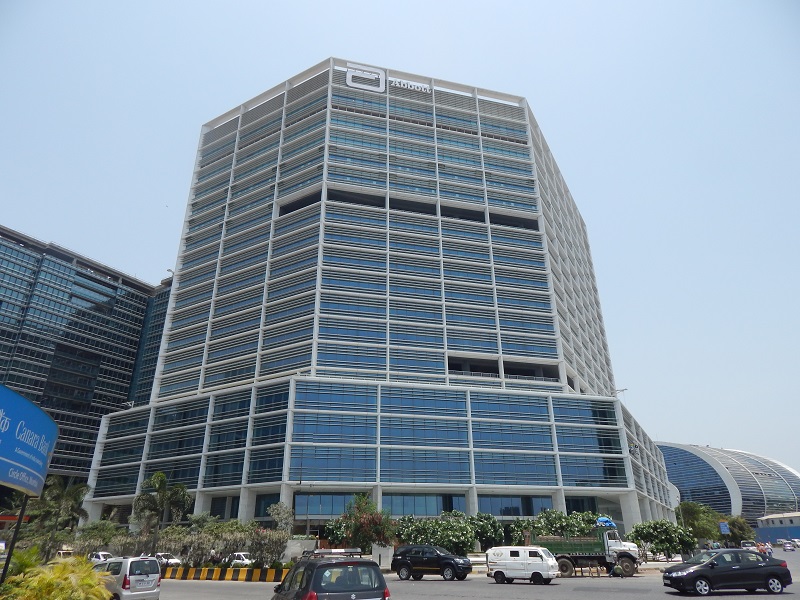
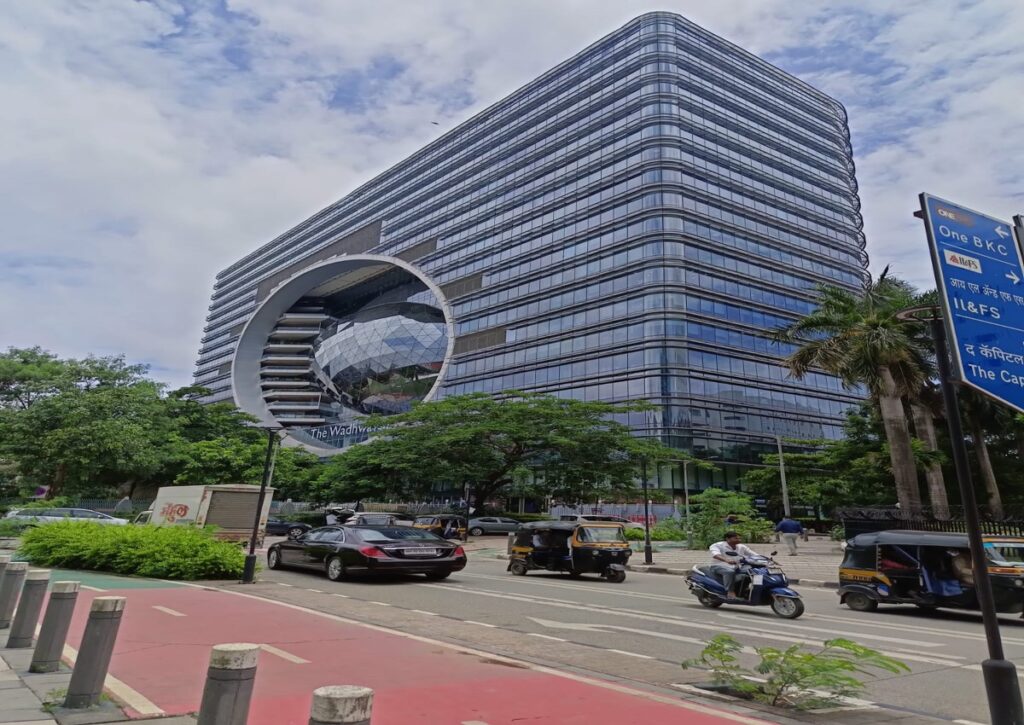
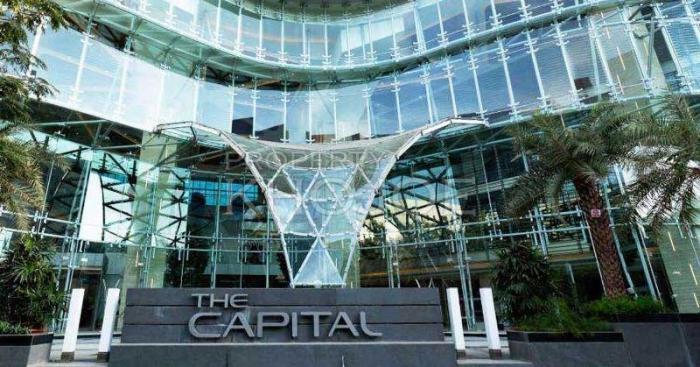
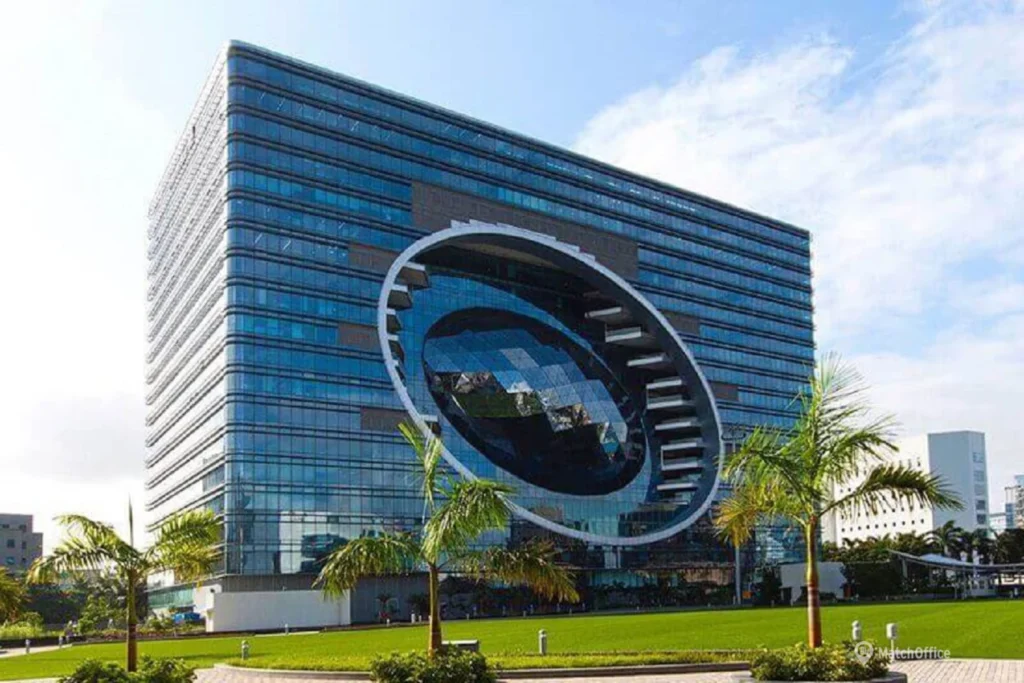
4. The Capital (Bandra Kurla Complex)
- Developer: Wadhwa Group
- Key Tenants: Deutsche Bank, SBI Mutual Fund, major global law firms
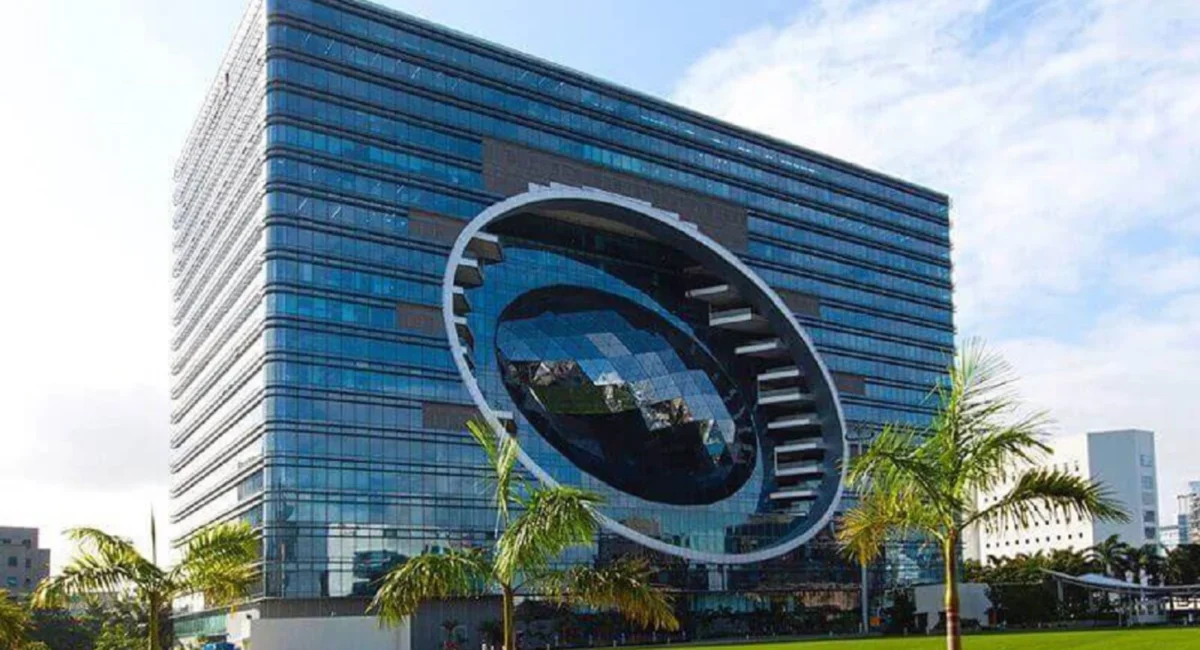
- Why it stands out: Instantly recognizable by its unique egg-shaped architectural feature, it boasts one of the largest automated parking systems in the world and high thermal efficiency glass to cut down HVAC costs.
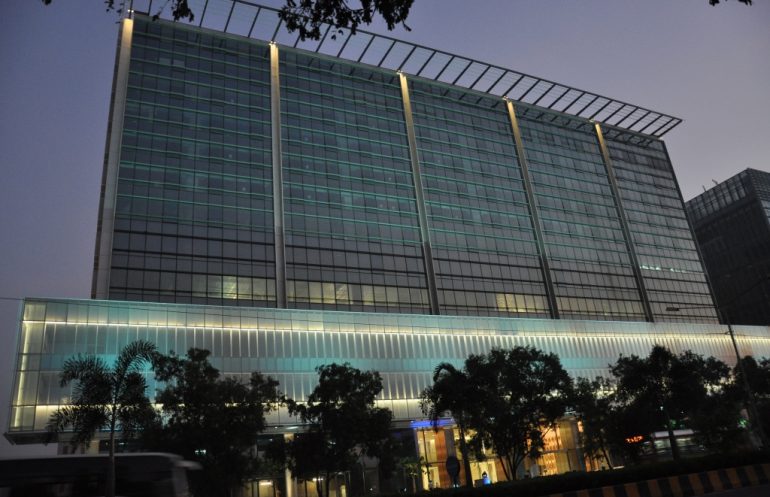
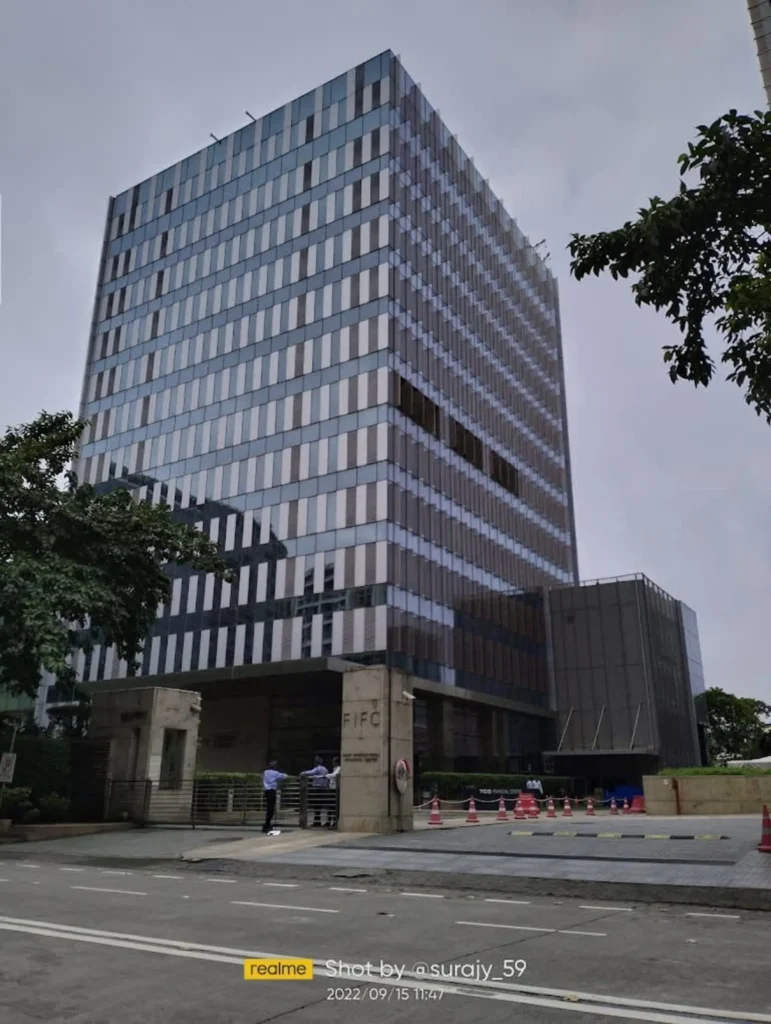
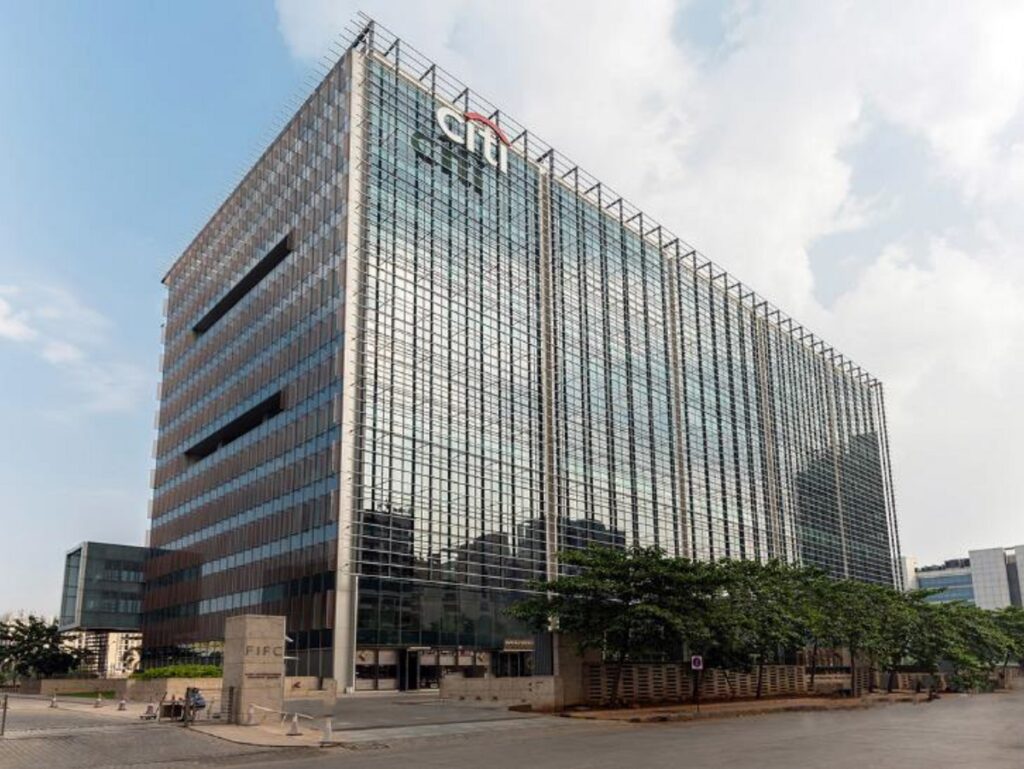
5. First International Financial Centre – FIFC (Bandra Kurla Complex)
- Developer: Starwood Capital & Urban Infrastructure
- Key Tenants: Citibank (Headquarters), Oracle
- Why it stands out: Built precisely to US design specifications, it offers highly resilient dual-power grids, massive floor efficiency, and top-tier corporate security layout frameworks.
6. Marathon Futurex (Lower Parel)
- Developer: Marathon Realty
- Key Tenants: L’Oréal India, Zee Media, SBI Capital
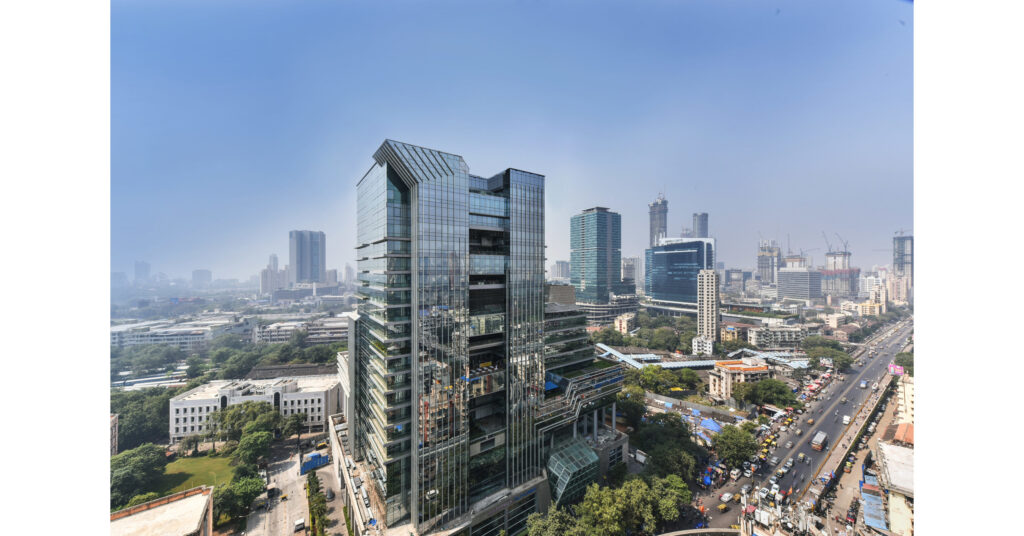
- Why it stands out: A massive energy-efficient skyscraper in the heart of South-Central Mumbai. It connects directly to the Lower Parel Monorail station via a skywalk, offering unmatched transit ease for employees.

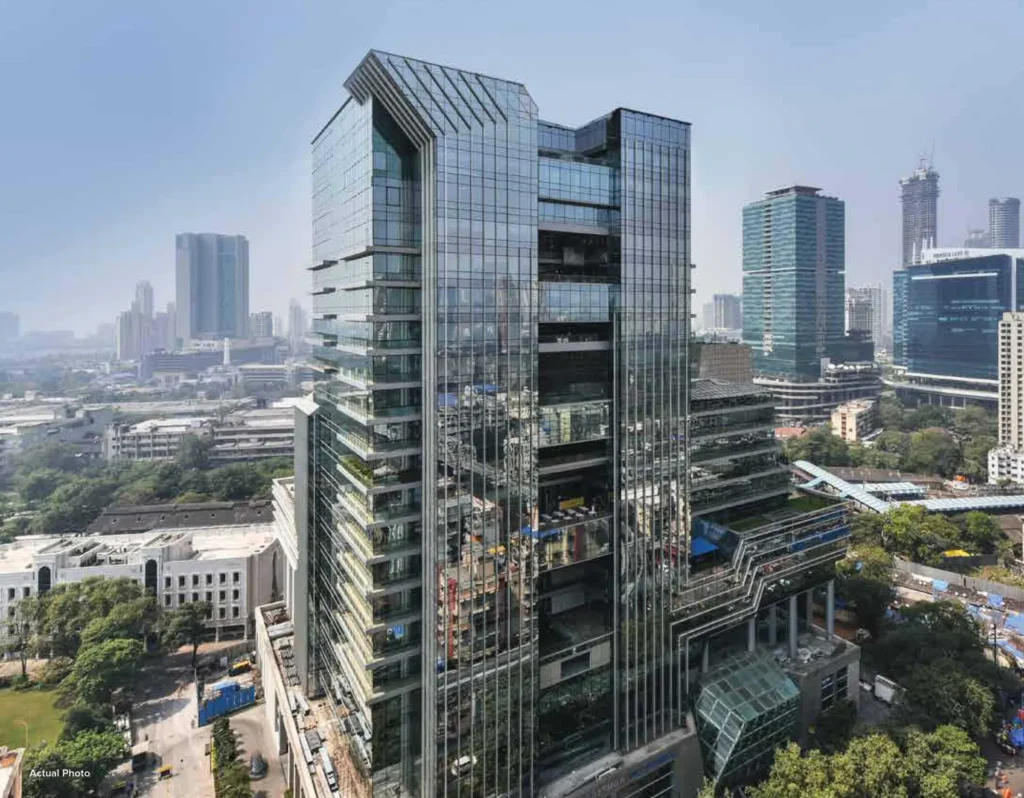
7. Peninsula Business Park (Lower Parel)
- Developer: Peninsula Land
- Key Tenants: Vodafone Idea, Tata Group entities, financial institutions
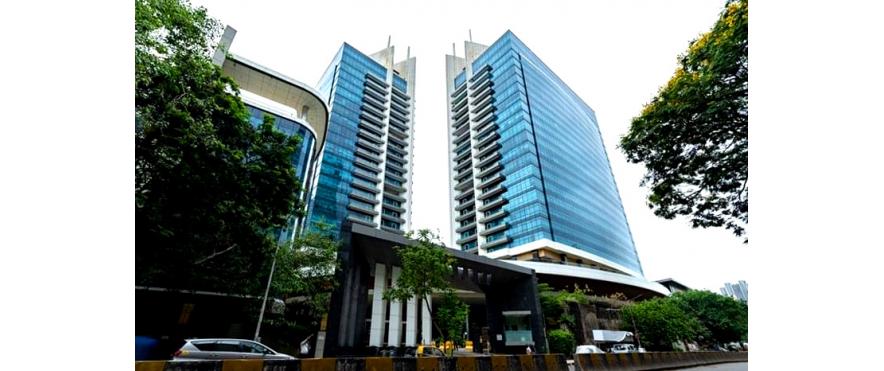
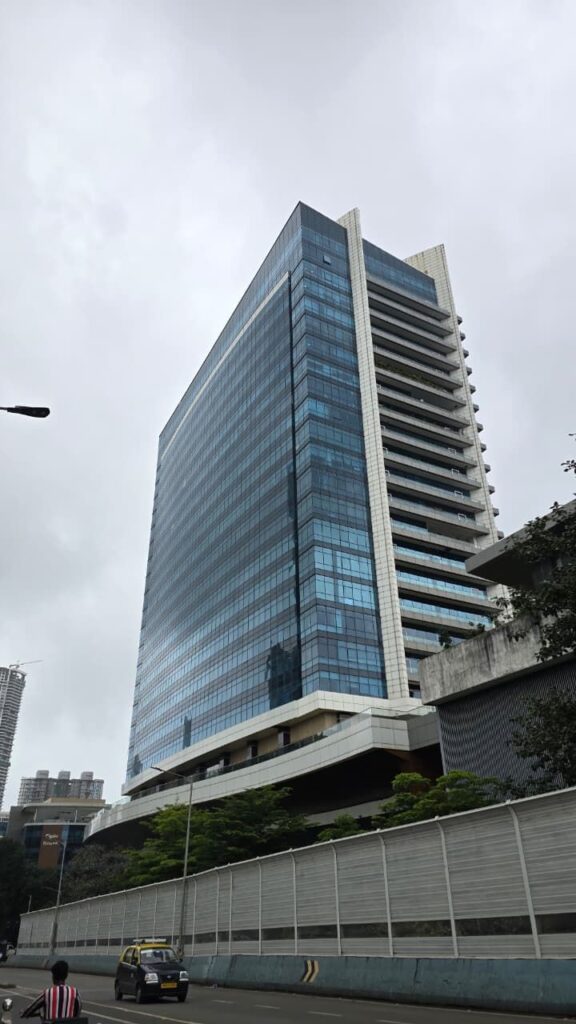
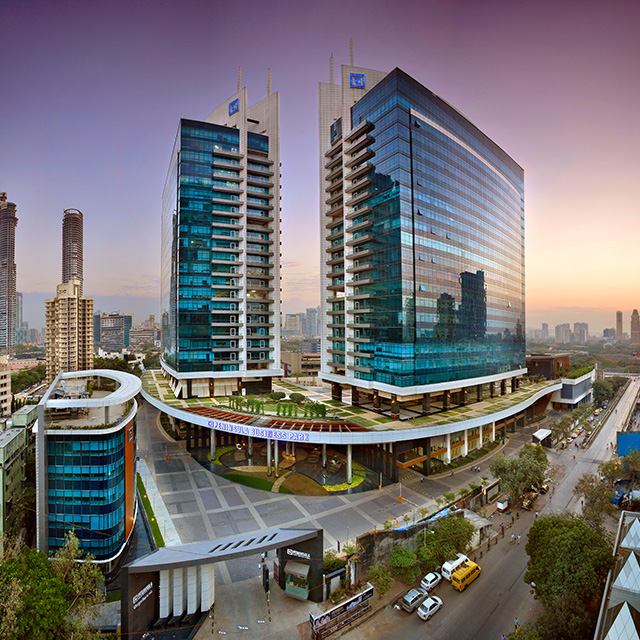
- Why it stands out: Comprising two towering corporate structures, this park features an ultra-sleek, modern design with multi-tier high-tech surveillance, extensive in-house food courts, and wide corporate service decks.
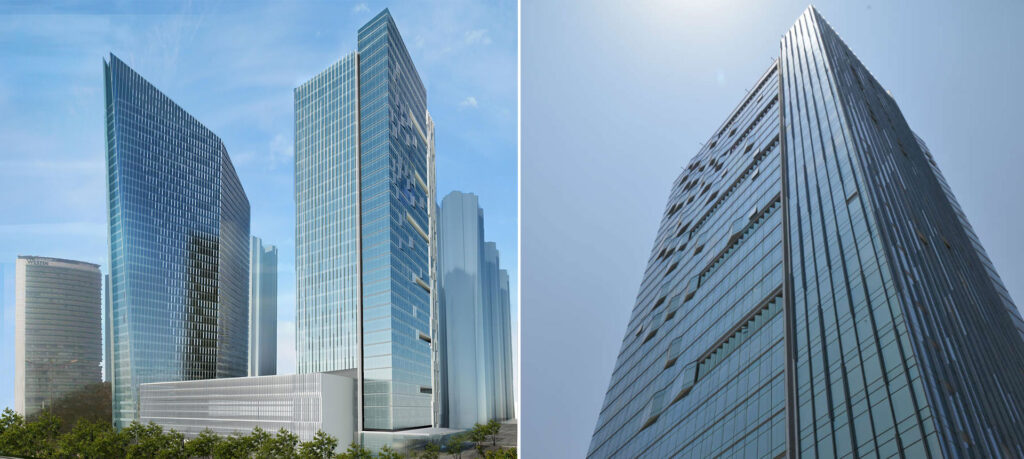
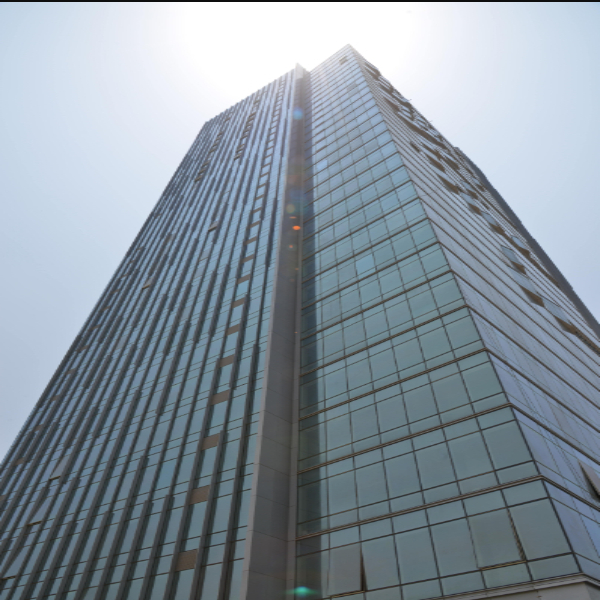
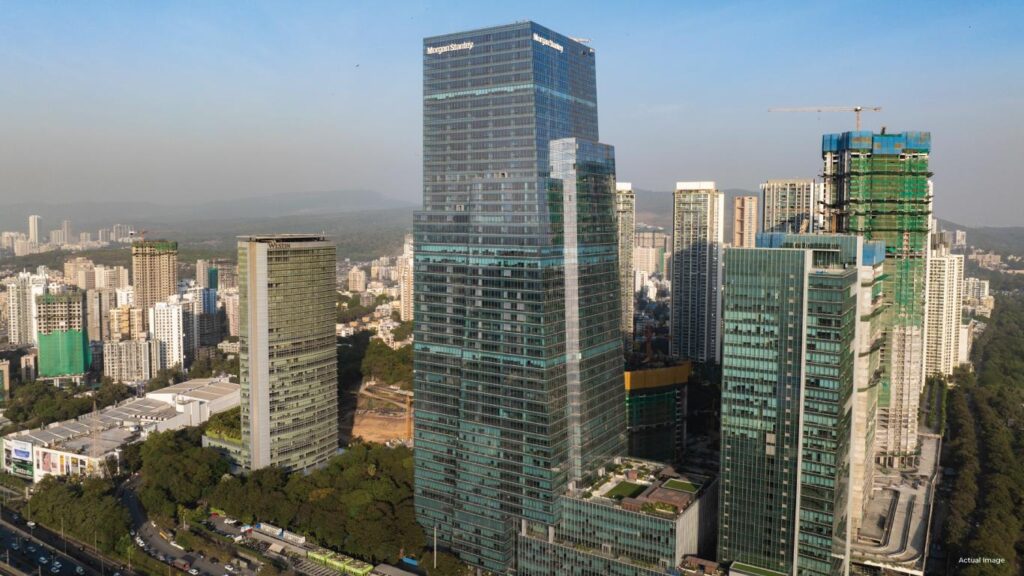
8. Commerz & Commerz II (Goregaon East)
- Developer: Oberoi Realty
- Key Tenants: GSK, Ogilvy, Morgan Stanley
- Why it stands out: Part of the expansive Oberoi Garden City, this complex bridges the gap between suburban convenience and South Mumbai luxury. It sits adjacent to the Westin Hotel, providing immediate access for international business travel and high-end dining.
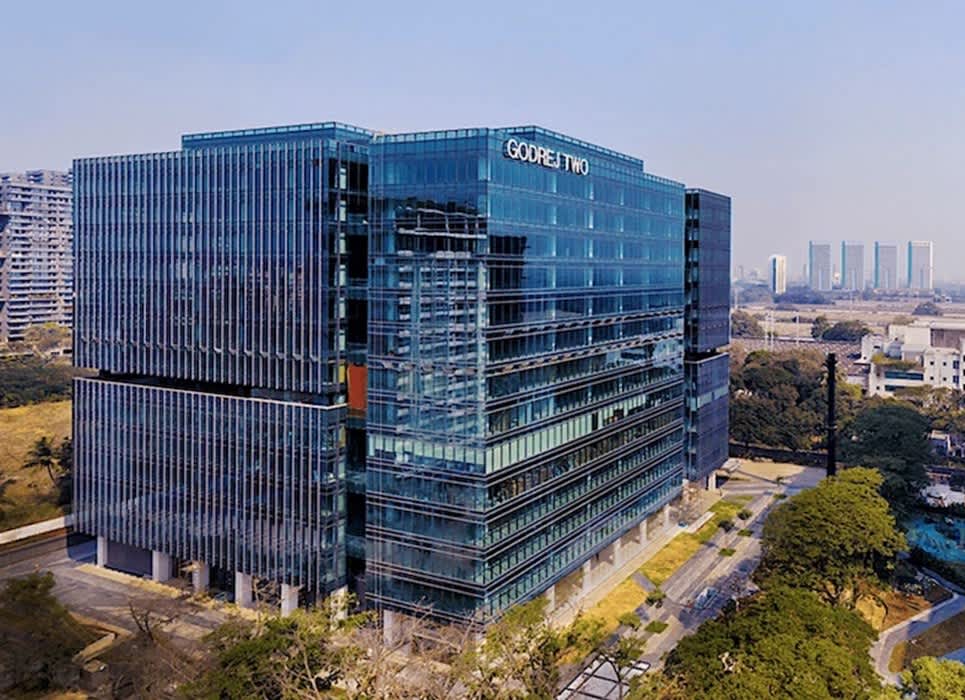
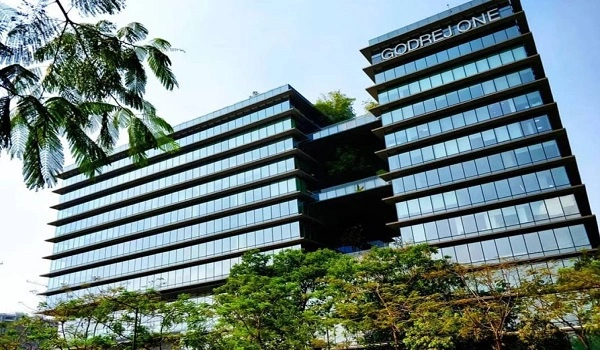
9. Godrej One (Vikhroli East)
- Developer: Godrej Properties
- Key Tenants: Godrej Group Headquarters, multinational tech and consulting firms
- Why it stands out: The anchor of the massive Godrej The Trees township. It is an architectural masterclass in sustainable, campus-style workspace design, featuring an central atrium, lush green landscapes, and a global-standard corporate environment.

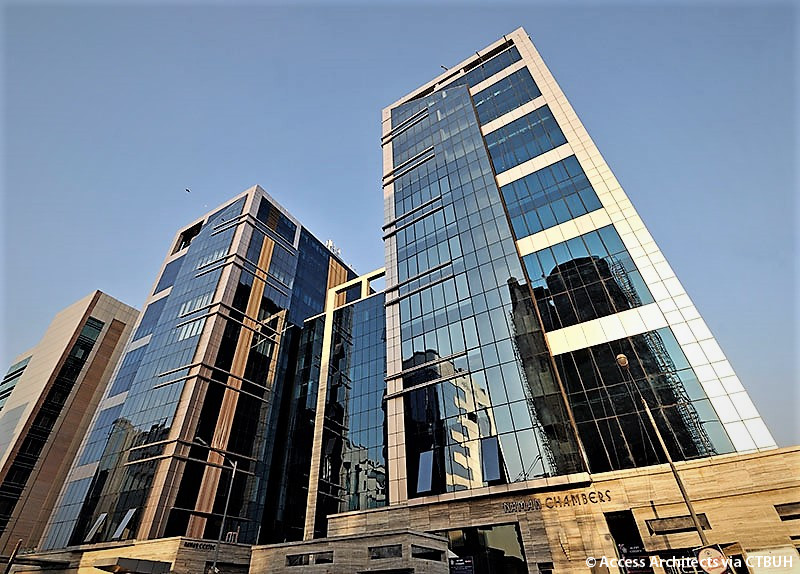
10. Naman Centre (Bandra Kurla Complex)
- Developer: Naman Group
- Key Tenants: Swiss Re, global tech back-offices, wealth management firms
- Why it stands out: A boutique yet high-performance Grade A building favored by European financial firms. It is highly sought after for its exceptional maintenance standards and central location within the G-Block of BKC.
Quick Comparison Matrix
| Micro-Market | Primary Focus | Best Asset | Average Profile |
| BKC | Global BFSI & Tech | Godrej BKC / One BKC | Ultra-premium, multinational headquarters |
| Lower Parel / Worli | Media, Telecom, Conglomerates | Marathon Futurex | High-rise corporate offices, great connectivity |
| Goregaon / Vikhroli | IT, Tech Parks, Global Capability Centers | Commerz II / Godrej One | Campus-style hubs, sustainable design |
While a typical corporate building provides a functional space to work, a Grade A building is engineered as a high-performance, strategic asset. The differences aren’t just aesthetic; they lie deep within the building’s infrastructure, operational efficiency, and spatial design.
The core features found in Grade A buildings that are typically missing from standard commercial properties include:
1. Structural & Spatial Superiority
- Massive, Column-Free Floor Plates: Standard buildings often have tightly spaced structural pillars that break up office layouts. Grade A buildings use advanced engineering to maximize “column-free” spans, allowing companies to design open-plan, highly efficient workspaces.
- Generous Floor-to-Ceiling Heights: Standard corporate spaces often feel cramped due to low clearance. Grade A properties feature slab-to-slab heights of 4 meters or more, ensuring ample breathing room even after installing false ceilings and raised flooring.
- Raised Access Flooring: Underneath the carpet of a Grade A space sits a modular raised floor tile system. This creates a hidden void for electrical, data, and telecom cabling, allowing a company to reconfigure desks anywhere without ripping up walls or tripping over wires.
2. Advanced Climate & Air Quality Control
- Intelligent HVAC with VAV Systems: While regular buildings often rely on rigid, noisy split units or basic central AC that leaves some rooms freezing and others hot, Grade A buildings utilize Variable Air Volume (VAV) systems. These intelligently zone the climate, adjusting temperature and airflow based on the actual occupancy of a specific room.
- Indoor Air Quality (IAQ) Filtration: Grade A buildings actively monitor and filter out particulate matter (PM2.5) and carbon dioxide, pumping treated fresh air throughout the day to combat “sick building syndrome” and keep employees alert.
3. Institutional-Grade Infrastructure Resilience
- True N+1 Redundancy: A standard building might have a backup generator for the lights, but a Grade A building operates on N+1 or 2N redundancy. This means there are entirely mirrored backup systems for electricity, fiber-optic internet feeds, and cooling. If a primary city power grid or data line drops, the transition to the backup is seamless—ensuring zero business downtime.
- Advanced Building Management Systems (BMS): A centralized digital brain continuously monitors energy spikes, water pressure, lift mechanics, and security systems to predict failures before they happen.
4. Smart Mobility & Transit Efficiency
- Destination Control Elevators: Instead of pushing an “Up” button and waiting for whichever elevator arrives, you select your floor on a touch screen in the lobby. An algorithm assigns you to a specific elevator car with other people going to nearby floors, reducing wait times and crowding during morning rushes.
- Massive Parking-to-Area Ratios: They feature multi-tier, often automated basement parking specifically scaled to high-density headcounts, alongside dedicated EV charging bays and bicycle “end-of-trip” facilities (lockers and showers for bicycle commuters).
5. Stringent Sustainability & Compliance
- Global Green Certifications: You will rarely find an uncertified Grade A building. They strictly build toward LEED (Gold/Platinum) or BREEAM standards, utilizing double-glazed glass facades that block out solar heat while letting in natural light to slash HVAC energy consumption.
- Highest-Tier Life Safety: They strictly enforce international fire, seismic, and accessibility codes, featuring integrated sprinkler systems, pressurized smoke-check stairwells, and 24/7 unified command security centers.
At a Glance: Grade A Commercial Properties vs. Standard Corporate Buildings
| Feature | Grade A Buildings | Standard Corporate Buildings |
| Floor Plates | Large, flexible, column-free layout | Restricted by structural pillars |
| Infrastructure | Fully redundant (N+1) power & multiple ISP entry | Single point of failure for electricity/internet |
| Elevators | High-speed, destination-controlled | Standard button-select, higher wait times |
| Finishes & Lobby | Double-height atrium, premium stone/glass | Basic reception area, standard tiles |
| Management | Integrated Professional Property Management | Fragmented, reactive local vendors |

Lindsey Tarry is a passionate real estate blogger, journalist, and content creator dedicated to breaking down the complexities of the property market. From deep-dive market trends and breaking industry news to practical advice for buyers and sellers, Lindsey crafts engaging stories and articles that keep readers informed and ahead of the curve. When she isn’t writing, she is keeping a close eye on the latest architectural and market shifts.

Leave a Comment