
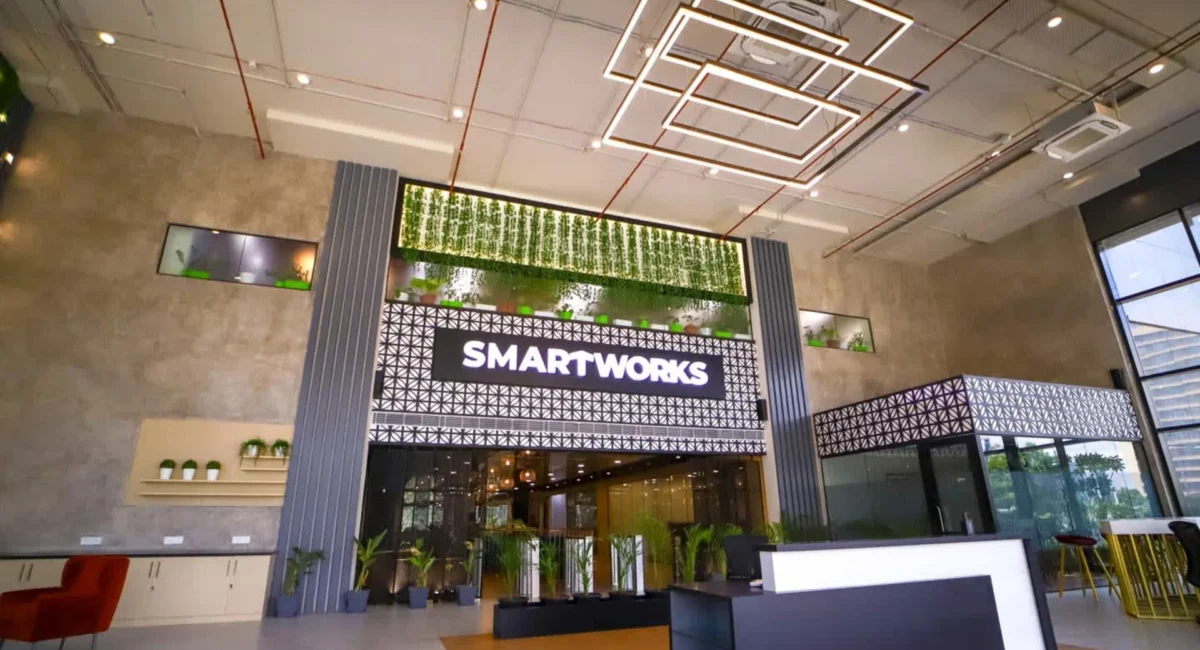
Smartworks Reviews
When evaluating flexible office solutions in India, Smartworks stands out not as a typical coworking hub, but as a leader in the “Managed Workspace” segment.
Unlike platforms that cater to individual freelancers, Smartworks focuses on large-scale enterprise clients and Fortune 500 companies. This review breaks down the platform’s value proposition, infrastructure, and market standing as of 2026.
1. The Core Philosophy: Managed vs. Shared
Most reviews mistake Smartworks for a standard coworking space like WeWork or Awfis. However, Smartworks operates on a B2B managed campus model.
- Target Audience: Mid-to-large enterprises (e.g., Google, Samsung, Accenture, and Kotak Mahindra Bank).
- The Experience: Instead of “hot-desking,” Smartworks provides entire floors or wings that are customized to a brand’s specific identity, while handling the “boring” parts of office management (utilities, IT, security, and cleaning).
2. Infrastructure & Amenities
Smartworks is known for its “Phygital” (Physical + Digital) approach. Client feedback often highlights the seamless integration of technology within the physical workspace.
| Feature | Review Highlights |
| Design | Biophilic architecture (lots of plants/natural light) and ergonomic furniture. Lobbies are often compared to 5-star hotels. |
| Technology | IoT-enabled meeting rooms, smart parking, and the Smartworks App, which allows members to order food, book desks, or invite guests. |
| Lifestyle | High-end cafeterias, gyms, medical rooms, and “chill zones” with gaming consoles. |
| Connectivity | Enterprise-grade Wi-Fi and 100% power backup are standard, addressing the “infrastructure fatigue” common in traditional Indian offices. |
3. Geographical Footprint
As of 2025–2026, Smartworks has solidified its presence in 15+ cities, with a total footprint of over 9 million square feet.
- Primary Hubs: Bengaluru, Hyderabad, Mumbai, and Gurugram.
- Tier-2 Expansion: They have successfully scaled into cities like Jaipur, Indore, and Kochi, allowing MNCs to set up “hub-and-spoke” models for remote teams.
4. Cost and Value Comparison
In the 2026 market, Smartworks is positioned as a cost leader for enterprises.
- Pricing: Interestingly, Smartworks often offers lower per-seat costs ($~₹4,400$) compared to premium rivals like WeWork ($~₹16,000+$). This is due to their strategy of taking long-term leases on massive “Grade A” buildings and optimizing operational costs.
- Efficiency: Reports indicate their “fit-out” (setup) costs are nearly 40% lower than industry standards, a saving they pass on to the client.
5. Pros and Cons: A Client Perspective
The Upside
- Zero Capex: Companies avoid the massive upfront investment of building an office.
- Scalability: If a company grows from 50 to 200 people, Smartworks can often accommodate the expansion within the same campus.
- Professionalism: The environment is strictly corporate. You won’t find the loud, “startup-vibe” music or high-energy events that might distract more traditional business units.
The Downside
- Limited Short-term Flexibility: Because they focus on managed spaces, they prefer longer contracts (1–3 years) compared to the month-to-month flexibility of smaller coworking hubs.
- Regional Concentration: While expanding, about 75% of their revenue still comes from the top four metro cities, which may limit options for companies looking for deep rural or small-town penetration.
Final Verdict
Smartworks is the ideal partner for established businesses that want the prestige and facilities of a modern office without the headache of managing real estate. It bridges the gap between the isolation of a traditional lease and the potential chaos of a shared coworking space.
Leave a Comment