
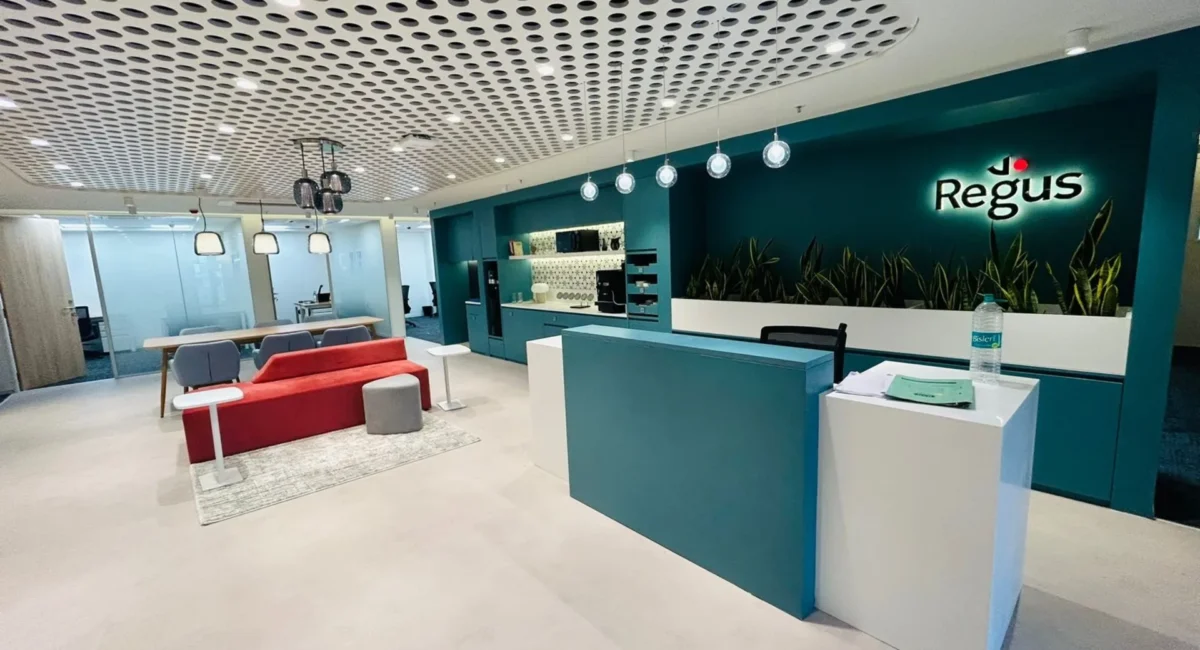
Regus Reviews
In the global and Indian workspace markets, Regus (part of the IWG group) is the “Global Stalwart.” It is often the first choice for traditional corporations and traveling executives who prioritize a professional, standardized environment over the “vibrant” or “trendy” culture of startup-focused hubs.
With a massive footprint in almost every major Indian metro—including Mumbai, Delhi-NCR, Bengaluru, Hyderabad, and Pune—Regus offers a level of geographical reach that few can match.
1. The Global Network Advantage
The primary reason businesses choose Regus is its unmatched scale.
- Global Portability: A membership in Mumbai often grants you access to business lounges in London, Dubai, or Singapore. For multinational firms or frequent travelers, this “office on the go” model is the ultimate utility.
- Location Tiering: They offer a variety of building types, from high-end “Grade A+” towers in BKC (Mumbai) to more affordable business centers in suburban hubs.
2. Infrastructure & Professionalism
Regus reviews consistently contrast its “corporate” feel with the “laid-back” vibe of WeWork. It is designed for focused work rather than social networking.
| Feature | Review Highlights |
| Privacy | Better-than-average soundproofing and private cabin options compared to open-plan coworking rivals. |
| Services | Professional receptionists, efficient mail handling, and a sophisticated “Blue-Chip” aesthetic. |
| Technology | Standardized, high-speed IT infrastructure and a functional app for booking meeting rooms globally. |
| Versatility | Offers one of the most robust “Virtual Office” products for companies needing a prestigious address without physical space. |
3. Pricing and Financial Structure
Regus sits in the premium to mid-high price bracket, but its billing model is a frequent topic in recent feedback.
- Inclusive vs. Extra: While the base rent covers the desk, amenities like coffee, printing, and even certain IT setups are often “pay-per-use,” which can lead to higher-than-expected monthly invoices.
- Virtual Office: Typically starts around ₹2,000–₹3,500 per month.
- Private Offices: Can range from ₹15,000 to over ₹50,000 per seat depending on the prestige of the building and city.
4. Pros and Cons: A Market View
The Upside
- Reliability: You know exactly what you’re getting. A Regus office in Bengaluru looks and functions much like one in New York.
- Corporate Image: It is the safest choice for hosting formal clients (lawyers, bankers, or auditors) who might find a “colorful” startup hub unprofessional.
- Short-Term Agility: They are excellent for booking a professional meeting room for just an hour or a day via their app.
The Downside
- Billing & Contracts: A recurring critique in recent user reviews involves “complex” cancellation policies and auto-renewal clauses. It is essential to read the fine print regarding security deposits and notice periods.
- “Nickel-and-Diming”: Some users express frustration over being charged for “extras” like kitchen access or premium tea/coffee that are often free in other coworking spaces.
- Lack of Community: If you are looking for social mixers, “Happy Hours,” or networking events, Regus may feel a bit “sterile.” It is a place where people go to work, not necessarily to socialize.
Final Verdict
Regus is the gold standard for established enterprises, legal/financial professionals, and global travelers who value a consistent, high-prestige work environment. It is less of a “community” and more of a “utility.” If your priority is geographical flexibility and a formal atmosphere, Regus is difficult to beat—just be sure to have a clear understanding of your contract and “extra” service costs.


Leave a Comment