
Best ERP Software
Sponsored

The Definitive Guide to Choosing the Best ERP Software for Modern Businesses
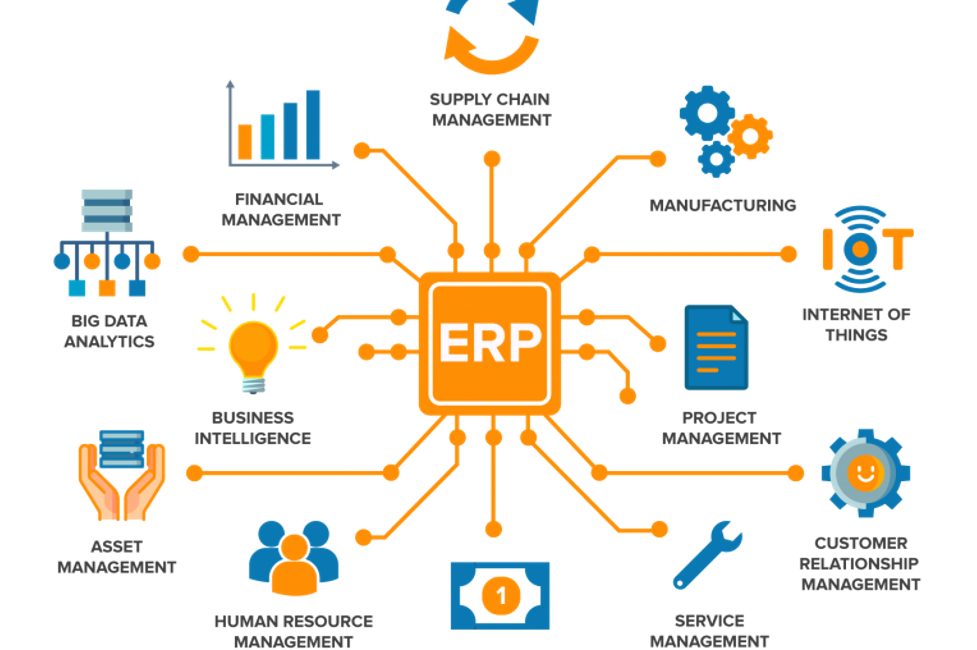
Enterprise Resource Planning (ERP) software serves as the digital backbone of modern organizations, integrating core functions like finance, HR, supply chain, inventory, and sales into a single centralized platform.
Top ERP Systems by Category
1. Global & Enterprise Heavyweights
- SAP S/4HANA & SAP Business One:
- Best For: Large enterprises and complex manufacturing units.
- Strengths: Unmatched scalability, robust real-time analytics, deep industry-specific modules, and massive multi-geography handling.
- Best For: Large enterprises and complex manufacturing units.
- Oracle NetSuite:
- Best For: Mid-to-large cloud-first companies and e-commerce brands.
- Strengths: Fully integrated cloud suite, comprehensive financial management, and advanced global business scaling.
- Best For: Mid-to-large cloud-first companies and e-commerce brands.
2. Mid-Market & Unified Business Suites
- Microsoft Dynamics 365:
- Best For: Companies deeply embedded in the Microsoft ecosystem (Office 365, Azure).
- Strengths: Seamless blend of ERP and CRM capabilities, familiar interface, and robust multi-channel management.
- Best For: Companies deeply embedded in the Microsoft ecosystem (Office 365, Azure).
- Zoho One:
- Best For: Startups, growing businesses, and service-oriented teams.
- Strengths: Highly affordable per-user subscription, incredible app ecosystem (accounting, HR, CRM), and rapid deployment.
- Best For: Startups, growing businesses, and service-oriented teams.
3. Open-Source & Compliance-Driven Local Leaders (India Focus)
- ERPNext (by Frappe):
- Best For: SMEs and lean manufacturing units wanting flexibility without heavy licensing fees.
- Strengths: Open-source architecture, deep customization options, and strong community-driven compliance modules.
- Best For: SMEs and lean manufacturing units wanting flexibility without heavy licensing fees.
- TallyPrime:
- Best For: Accounting-led Indian SMEs and retail trading.
- Strengths: Effortless GST filing, e-invoicing, inventory management, and absolute reliability for local taxation workflows.
- Best For: Accounting-led Indian SMEs and retail trading.
Quick Comparison Matrix
| ERP Software | Primary Architecture | Best Suited For | Standout Advantage |
| SAP Business One | Cloud / On-Premise | Mid-to-large enterprises | Deep industrial execution |
| Oracle NetSuite | Cloud-native | Scaling businesses & e-commerce | All-in-one financial agility |
| Microsoft Dynamics 365 | Cloud / Hybrid | Retail, sales-heavy operations | Native Microsoft app integration |
| Zoho One | Cloud (SaaS) | Small businesses & startups | Cost-effective application suite |
| ERPNext | Open-Source Cloud | Lean manufacturers & custom workflows | Highly customizable & budget-friendly |
| TallyPrime | On-Premise / Hybrid | Financial-first MSMEs | Flawless local tax & GST compliance |
Critical Selection Factors for Indian Enterprises
- Regulatory Readiness: Ensure the platform natively supports regional compliance requirements—such as GST calculation, e-invoicing generation, TDS tracking, and PF/ESI payroll computations.
- Deployment Model: Choose Cloud ERP (SaaS) for lower IT maintenance and remote accessibility, or On-Premise / Hybrid if your industry mandates strict data sovereignty and local server control.
- Total Cost of Ownership (TCO): Look beyond initial licensing costs. Factor in long-term implementation partner fees, employee training timelines, and future customization expenses.

Lindsey Tarry is a passionate real estate blogger, journalist, and content creator dedicated to breaking down the complexities of the property market. From deep-dive market trends and breaking industry news to practical advice for buyers and sellers, Lindsey crafts engaging stories and articles that keep readers informed and ahead of the curve. When she isn’t writing, she is keeping a close eye on the latest architectural and market shifts.


Leave a Comment