
Best RFID Smart Cards

The Ultimate Guide to Choosing the Best RFID Smart Cards for Modern Offices
While biometric systems and facial recognition dominate modern turnstiles, RFID (Radio-Frequency Identification) smart cards remain the backbone of corporate identification, visitor tracking, and multi-zone access control. From basement parking gates to high-security server room doors, choosing the right card type dictates both convenience and overall workplace security.
Major Types of RFID Cards Used in Offices
1. MIFARE Classic & DESFire (13.56 MHz High-Frequency)
- Overview: Developed by NXP Semiconductors, MIFARE cards are the corporate standard for smart offices. They operate at high frequencies and feature encrypted memory sectors.
- Best For: Mid-to-large corporate offices, cashless cafeterias, and multi-application ID badges (access + printing + cafeteria credit).
- Security Level: High. Hard to clone due to built-in cryptographic keys.
2. HID iCLASS & Seos (Enterprise-Grade High-Frequency)
- Overview: Manufactured by HID Global, these are premium smart cards designed for organizations demanding elite security standards.
- Best For: Multinational corporations, IT parks, financial institutions, and data centers.
- Security Level: Maximum. Features advanced data encryption and mutual authentication protocols.
3. EM Proximity Cards (125 kHz Low-Frequency)
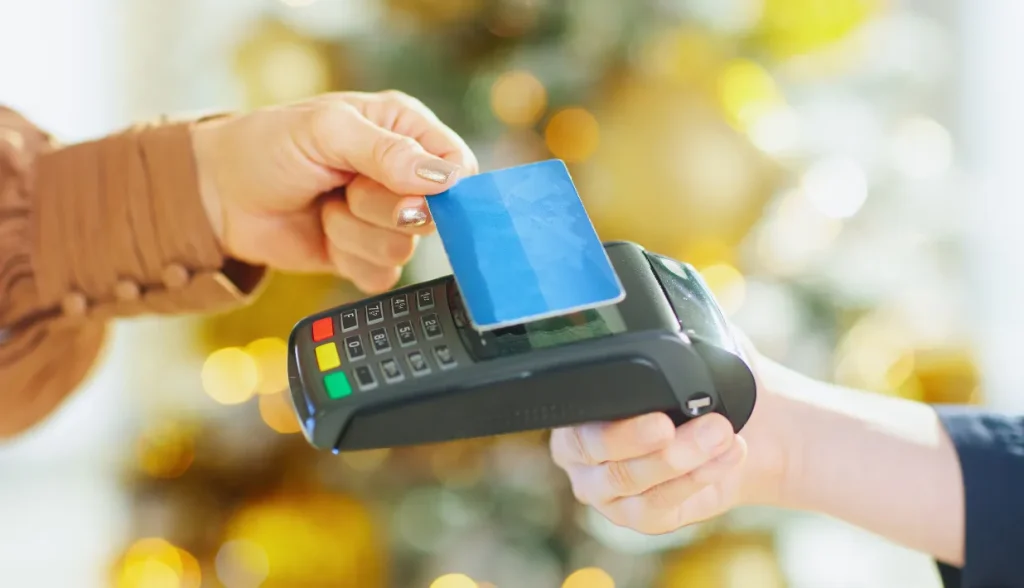
- Overview: The traditional “blue ocean” or white PVC swipe/tap cards used with basic biometric and attendance terminals.
- Best For: Small businesses, budget-conscious setups, and simple door locks.
- Security Level: Low. They transmit a static ID number and can be easily duplicated using cheap handheld cloners.
Quick Comparison Matrix
| Card Technology | Frequency | Security Level | Primary Office Use | Clonability |
| EM Proximity | 125 kHz | Basic | Basic attendance & perimeter gates | High (Easy to clone) |
| MIFARE Classic / Plus | 13.56 MHz | Moderate-High | General corporate ID, transit, canteen | Low (Encrypted sectors) |
| HID iCLASS / Seos | 13.56 MHz | Enterprise-Grade | High-security zones, multi-factor tech | Extremely Low |
Critical Selection Factors for Corporate Deployment
- Physical Format (Clamshell vs. ISO PVC):
- Clamshell cards are thicker (around 1.8mm), rugged, and economical, but difficult to print employee photos directly onto them.
- ISO slim cards (0.84mm) are credit-card thickness, perfectly suited for direct-to-card ID printers to display employee names, designations, and barcodes.
- Clamshell cards are thicker (around 1.8mm), rugged, and economical, but difficult to print employee photos directly onto them.
- Reader Compatibility: Always match your card technology to your physical turnstile or door controller readers. Many modern enterprise readers are dual-frequency (supporting both legacy 125 kHz and 13.56 MHz cards) to allow smooth migration.
- Customization and Branding: Ensure the PVC surface is compatible with standard thermal or retransfer ID card printers so you can embed corporate logos and holographic security overlays.

Lindsey Tarry is a passionate real estate blogger, journalist, and content creator dedicated to breaking down the complexities of the property market. From deep-dive market trends and breaking industry news to practical advice for buyers and sellers, Lindsey crafts engaging stories and articles that keep readers informed and ahead of the curve. When she isn’t writing, she is keeping a close eye on the latest architectural and market shifts.
Leave a Comment