
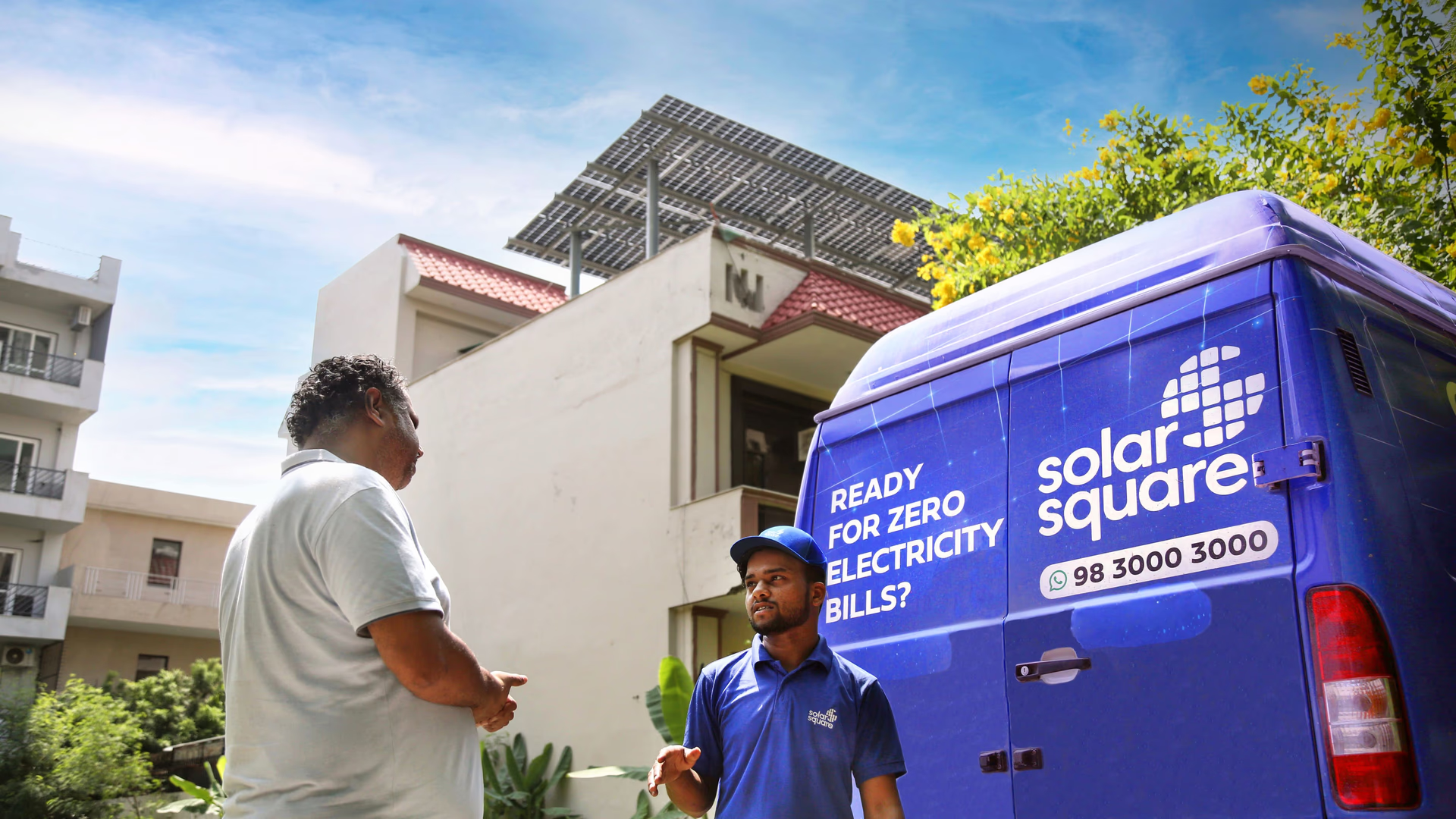
NEW DELHI, India — India’s residential solar sector has reached a pivotal milestone, with 3 million households now powered by rooftop solar energy. However, Shreya Mishra, CEO and Co-founder of SolarSquare, emphasizes that the nation has only “scratched the surface” of its true potential.
Speaking on the progress of India’s energy transition on March 13, 2026, Mishra pointed out that while growth has been “turbocharged” by recent government initiatives, there remain approximately 70 million “solarisable” homes across the country that have yet to make the switch.
The “PM Surya Ghar” Catalyst
The massive surge in adoption is largely credited to the PM Surya Ghar: Muft Bijli Yojana, launched in February 2024. According to Mishra:
- Pre-2024: Only about 700,000 homes had rooftop solar.
- Post-2024: In just two years, the number of installations has jumped to over 3 million.
- The Pace: In 2026, it takes only 40–45 days for every additional 100,000 homes to go solar,
compared to the five years it took to reach the first 100,000 milestones back in 2019.
Shifting Geographies: Tier-2 Cities Lead the Way
Data from SolarSquare suggests a structural shift in where solar is being adopted. While metros like Mumbai and Bengaluru were early adopters, Tier-2 cities are now outpacing them.
- Cities such as Aurangabad, Amravati, and Bhopal recorded installation volumes 2–5 times higher than traditional metro markets in late 2025 and early 2026.
- Maharashtra has emerged as the highest-adoption region, driven by rising electricity tariffs and high consumer awareness.
Barriers to the 70-Million Goal
Despite the momentum, Mishra identified three critical “friction points” that need to be addressed to reach the remaining 70 million households:
- Financing Access: While public sector loans exist, the process remains cumbersome. Mishra is calling for 100% digitization of solar loans, making them as seamless as getting a car or home loan.
- Standardization: Fragmented state-level execution and varying “Right of Way” rules across the 70+ distribution companies (discoms) cause delays in permits.
- Safety & Quality: As the market grows, the prevalence of “unsafe installations” by unregulated local players is a concern. Mishra stressed that solar panels—weighing 27kg and made of glass—can become life-threatening hazards during storms if not installed to cyclone-proof standards.
“India’s rooftop solar market is no longer just emerging—it’s evolving,” says Mishra. “Families are no longer looking at solar as a luxury, but as a long-term energy asset that offers protection against rising inflation.”
Discover more from News
Subscribe to get the latest posts sent to your email.