
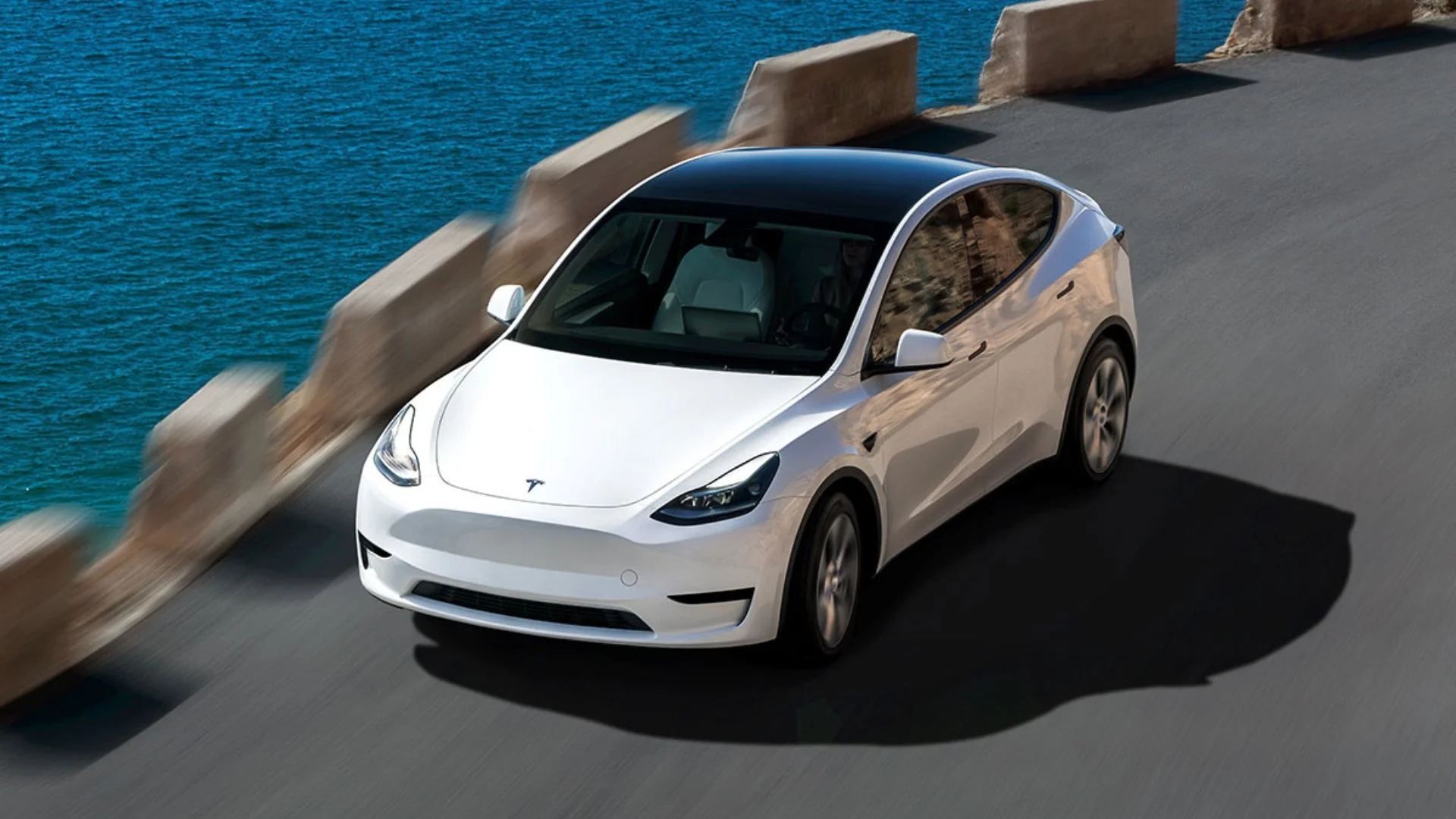
London, March 13, 2026 — In a landmark shift for the British energy market, Elon Musk’s Tesla Energy Ventures has been granted a formal license by regulator Ofgem to supply electricity to households and businesses across Great Britain.
The approval, which follows a rigorous seven-month review, officially transitions Tesla from a hardware manufacturer into a retail energy provider. The company is now authorized to compete directly with established giants like British Gas, EDF, and its current partner, Octopus Energy.
The “Tesla Electric” Model Comes to Britain
Following the blueprint of its successful launch in Texas, Tesla is expected to debut Tesla Electric in the UK by the third quarter of 2026. The service focuses on a “Virtual Power Plant” (VPP) model that integrates the company’s entire energy ecosystem:
- Smart Tariffs: Homeowners with Tesla Powerwalls or solar panels will be able to store electricity when grid prices are low (or when their solar generation is high) and sell it back to the grid during peak demand.
- Vertical Integration: For the first time, a UK consumer can manage their electric vehicle, home battery storage, and monthly electricity bill through a single, unified Tesla app.
- Grid Stability: Using its Autobidder AI software, Tesla can aggregate thousands of small home batteries to act as a single massive battery for the UK grid, reducing the need for carbon-heavy gas “peaker” plants.
A Disruptive Entry Amid Political Headwinds
The move comes at a time of significant transition for Tesla. While its automotive sales have faced increased competition from rivals like BYD, its energy division is surging. However, the license approval was not without controversy.
The application faced pushback from various campaign groups and political figures, citing concerns over Elon Musk’s growing influence over critical infrastructure. Ofgem, however, maintained that its decision was based strictly on statutory requirements regarding operational capability, financial resilience, and consumer protection.
“Our licensing decisions are guided by the need to ensure a secure, fair energy market,” an Ofgem spokesperson stated. “Tesla Energy Ventures must now comply with the same rigorous standards as any other supplier, including fair treatment of customers and billing transparency.”
Market Outlook
Energy analysts predict that Tesla’s entry will accelerate the adoption of domestic battery storage in the UK. By offering potentially higher “export” rates for solar energy—rumored to be nearly double the standard Solar Export Guarantee—Tesla aims to create a “loyalty loop” that makes its hardware and energy plans inseparable.
Discover more from News
Subscribe to get the latest posts sent to your email.